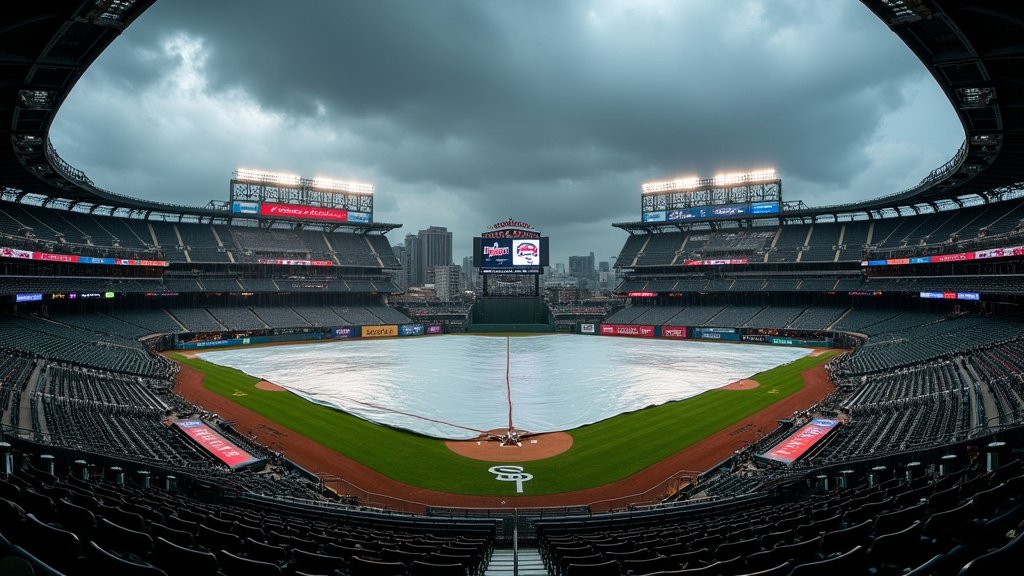
Rain or shine? The Cleveland Guardians and the visiting American League Championship Series (ALCS) opponents are bracing for a potential schedule shift as severe weather systems threaten to disrupt Game 4 at Progressive Field. While professional baseball is accustomed to playing through light precipitation, the current forecast indicates a high probability of sustained heavy rain, forcing MLB officials to consider a critical postponement that could fundamentally shift the momentum of the series.
Key Highlights
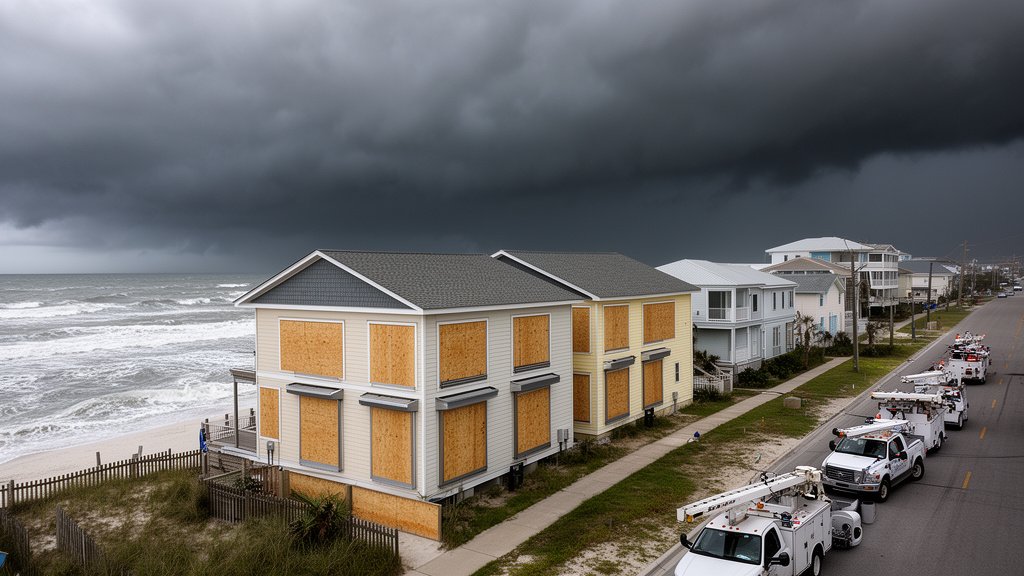
- Weather Uncertainty: The National Weather Service (NWS) has issued warnings for high-intensity, sustained precipitation over the Cleveland metro area, threatening the viability of outdoor play during the scheduled evening slot.
- Strategic Bullpen Impact: A postponement would grant both managers an extra day to rest relief pitchers, potentially altering the pitching rotation strategy for the remainder of the series.
- Fan Logistical Hurdles: Thousands of fans traveling to Progressive Field face last-minute accommodation shifts, transportation cancellations, and the frustration of “TBD” game times.
The Storm Clouds Over Progressive Field
As the ALCS reaches its fever pitch, the narrative has shifted from pure baseball strategy to the volatile variable of meteorology. The scheduled matchup for Game 4, typically a pivotal “swing” game in a best-of-seven series, is now subject to the whims of a low-pressure system moving across Lake Erie. For the Cleveland Guardians, whose home-field advantage relies on the electric atmosphere of Progressive Field, a postponement is not merely a scheduling inconvenience—it is a disruption of the competitive rhythm that has carried the team through the postseason.
The Meteorological Challenge
MLB regulations regarding rain delays are precise, yet they remain subject to the discretion of the crew chief. When rain becomes sustained, the primary concern is the safety of the players on the field—specifically the pitcher’s mound, which can become treacherous and slick. According to the NWS, the timing of the storm cell coincides almost perfectly with the first pitch, raising the likelihood of a delay or a complete postponement. Unlike indoor stadiums, Progressive Field’s open-air design leaves it vulnerable. The decision to postpone is typically made hours in advance if the forecast shows no window of clearing, aiming to protect ticket holders from unnecessary travel and to preserve the integrity of the playing surface.
The Bullpen Chess Match
From a purely tactical perspective, a postponement serves as a double-edged sword. In a high-stakes ALCS series, bullpen management is the defining skill of a manager. If Game 4 is pushed to the following day, both the Guardians and their opponents will effectively gain a “reset” day. This benefits teams that have been over-taxing their relief arms in the previous three games. For the Guardians, who rely on a specific cadence of relief appearances to shut down opponents in the late innings, an extra day of rest could revitalize tired arms, allowing them to shorten the game significantly when play resumes. Conversely, it breaks the momentum of a starting pitcher who may have been in a rhythm, forcing the manager to decide whether to burn that starter on a different day or hold them for the next available slot.
Economic and Fan Impact
The economic footprint of an ALCS game in Cleveland is substantial, involving thousands of out-of-town visitors, hotel bookings, and restaurant revenue. A last-minute postponement creates a chaotic ripple effect. Local hospitality sectors, which rely on the predictability of the MLB schedule to staff and stock their businesses, face the immediate challenge of inventory waste and sudden staff cancellations. For the fan, the burden is even heavier. Many attendees have booked flights and hotels based on the official MLB schedule. A postponement necessitates “marathon” travel adjustments, with fans scrambling to rebook hotels and flights, often at surging prices. The frustration is palpable, with social media channels for the Guardians already flooded with questions regarding ticket validity, parking pre-payments, and whether “rain check” policies will be enforced efficiently.
Historical Precedents and Regulatory Reality
Historically, MLB has shown a reluctance to postpone postseason games unless absolutely necessary, preferring to endure long rain delays in the hope of completing the game the same day. This stems from the desire to keep the series timeline consistent for television broadcasts, which command astronomical advertising rates. However, modern player safety protocols have become stricter, and the “suspension” rule—where a game is resumed at a later date from the exact point it stopped—is an option, though an unpopular one due to the logistical nightmare of clearing the stadium and restarting the game hours or days later. The league must weigh the cost of a delay against the integrity of a game played on a wet, dangerous field.
FAQ: People Also Ask
Q: What happens to my tickets if Game 4 is postponed?
A: If a game is officially postponed, tickets remain valid for the rescheduled date. MLB typically provides clear instructions via email and on the team’s official website regarding whether tickets need to be exchanged or if they will be automatically honored for the make-up game.
Q: Can the game be moved to an indoor facility?
A: No. MLB rules dictate that postseason games must be played at the designated home ballpark of the team that holds the current seed. There is no “neutral site” contingency plan for weather at Progressive Field.
Q: How does a postponement affect starting pitching rotations?
A: A postponement gives managers the flexibility to shuffle their rotations. It allows teams to bring their “ace” pitchers back on full rest, effectively allowing them to skip over struggling or injured pitchers who might have otherwise been forced to start on a tighter schedule.