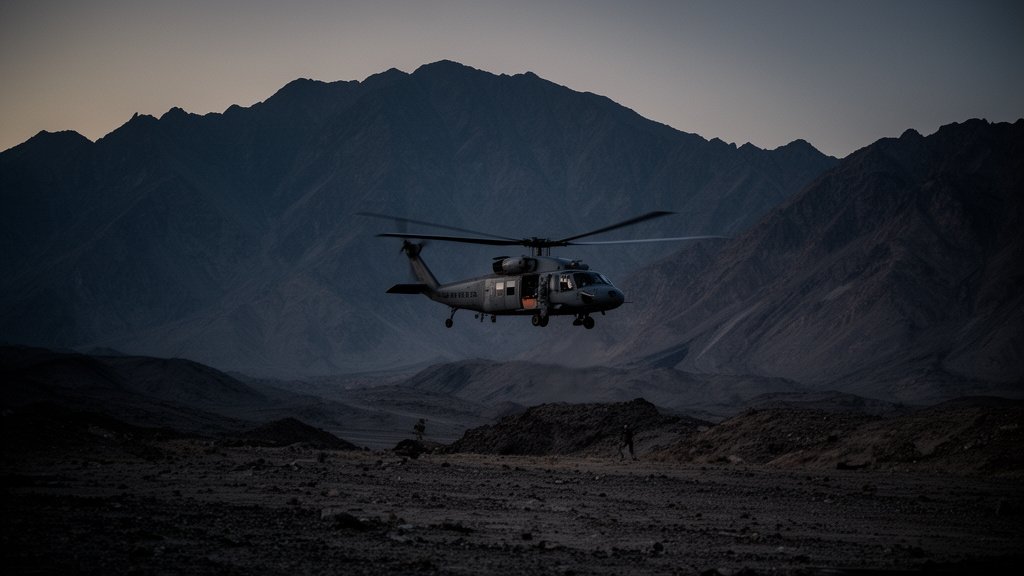
The U.S. military has officially pulled back the curtain on one of the most precarious operations of the last decade, releasing declassified footage of a successful Combat Search and Rescue (CSAR) mission that recovered a downed U.S. Air Force F-15E Strike Eagle crew from behind enemy lines in Iran. The operation, which underscores the extreme volatility of regional flight paths, involved a coordinated extraction under intense pressure, with a participating airman now offering a firsthand account of the harrowing events.
Key Highlights
- Mission Success: Elite U.S. special operations forces successfully extracted an F-15E Strike Eagle crew within hours of the aircraft being downed in hostile territory.
- Declassified Evidence: The Department of Defense released cockpit and sensor footage providing an unprecedented look at the tactical complexity of CSAR protocols in denied airspace.
- The Airman’s Account: A mission participant described the recovery as a “race against local forces,” highlighting the rapid intelligence gathering required to establish a secure extraction window.
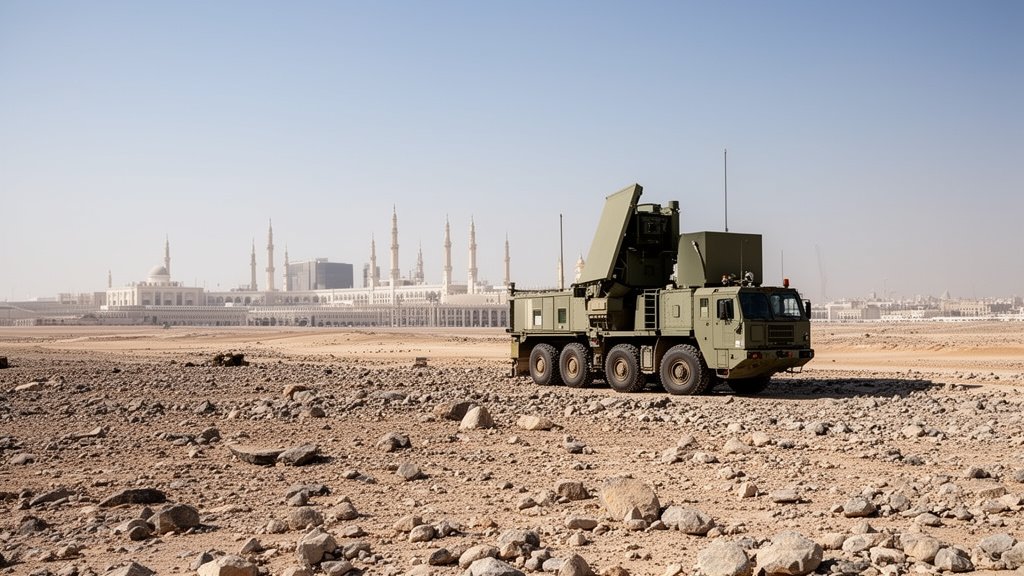
- Strategic Vulnerability: The event raises critical questions regarding the current regional security environment and the vulnerability of coalition aircraft to sophisticated anti-access/area-denial (A2/AD) capabilities.
Precision Under Fire: The Anatomy of a High-Stakes Rescue
The operation to retrieve the F-15E Strike Eagle crew represents a masterclass in modern tactical execution, requiring a seamless synchronization of air, ground, and intelligence assets. According to the declassified mission logs, the F-15E, a multi-role strike aircraft, lost communication and tracking shortly after entering Iranian airspace. The immediate activation of the CSAR network initiated a complex, multi-layered response.
The Mechanics of Extraction
For the personnel involved, the mission was defined by a narrow margin of error. The airman, who spoke on the condition of anonymity due to the ongoing sensitivity of the mission, detailed the moment the crew was confirmed on the ground. “It wasn’t just about speed; it was about data,” the airman stated. “We were monitoring the local response grid in real-time. The moment the F-15 went down, we had to determine the threat posture of the area before we could even think about sending in the recovery team.”
The rescue utilized a specialized extraction configuration, integrating signal intelligence to scramble enemy detection networks while ground-based special operations teams navigated the terrain to the crash site. The declassified video shows the tactical efficiency of the recovery, with the aircrew retrieved in what military analysts describe as “record time” for an environment of such high hostility.
Technological Warfare and A2/AD
This incident provides a stark reminder of the efficacy of Iran’s anti-access/area-denial capabilities. The F-15E, while one of the most resilient platforms in the U.S. arsenal, remains vulnerable to sophisticated surface-to-air missile systems. The mission highlights the ongoing “cat-and-mouse” game between advanced Western aviation and the regional expansion of air defense networks. Analysts suggest that the successful rescue—while a victory for U.S. personnel recovery protocols—may force a recalibration of mission planning for future sorties in the region.
The Human Element in Combat Operations
Beyond the hardware and the tactical maneuvering, the rescue underscores the psychological and physical intensity of CSAR. The airman’s account touches on the “fog of war” that accompanies such operations, where communications are spotty, the environment is hostile, and the potential for escalation is constant. The resilience and training of the recovery team, who operated with precision under the threat of immediate detection, demonstrate the effectiveness of U.S. joint force interoperability.
Secondary Angles: Contextualizing the Mission
1. Evolution of CSAR Technology: The integration of real-time drone reconnaissance and satellite-linked tactical HUDs (Heads-Up Displays) has revolutionized the ability to conduct rescue missions. Future operations are expected to rely heavily on AI-driven threat modeling to create safer corridors for extraction.
2. Regional Stability and Deterrence: The ability to effectively and consistently recover downed aircrews acts as a form of strategic deterrence. It demonstrates that the U.S. maintains the capability to operate and project force in denied environments, regardless of the localized threat levels.
3. The Physiological Toll on Aircrews: Modern aerial warfare is becoming increasingly automated, yet incidents like this highlight the critical role of human decision-making. The mental training required for pilots to transition instantly from combat flight to survival evasion and recovery is a major focus for Air Force Command training modules moving forward.
FAQ: People Also Ask
Q: How did the U.S. military justify the recovery mission’s risk level?
A: Personnel Recovery (PR) is a non-negotiable priority for the U.S. military. The mandate to “leave no one behind” dictates that all feasible assets are mobilized to recover downed aircrews, regardless of the political risk, provided the tactical intelligence suggests a viable extraction plan.
Q: Does this event signal a change in U.S. flight operations near Iran?
A: While the Department of Defense has not issued a formal policy change, analysts expect heightened caution and potentially revised flight paths for reconnaissance and patrol missions to avoid the specific anti-air defense envelopes identified in this mission.
Q: Why was the footage declassified now?
A: The declassification serves several strategic purposes: demonstrating the capability of U.S. CSAR units, reinforcing the commitment to military personnel, and transparently acknowledging the evolving threat landscape in the region to both domestic and international audiences.