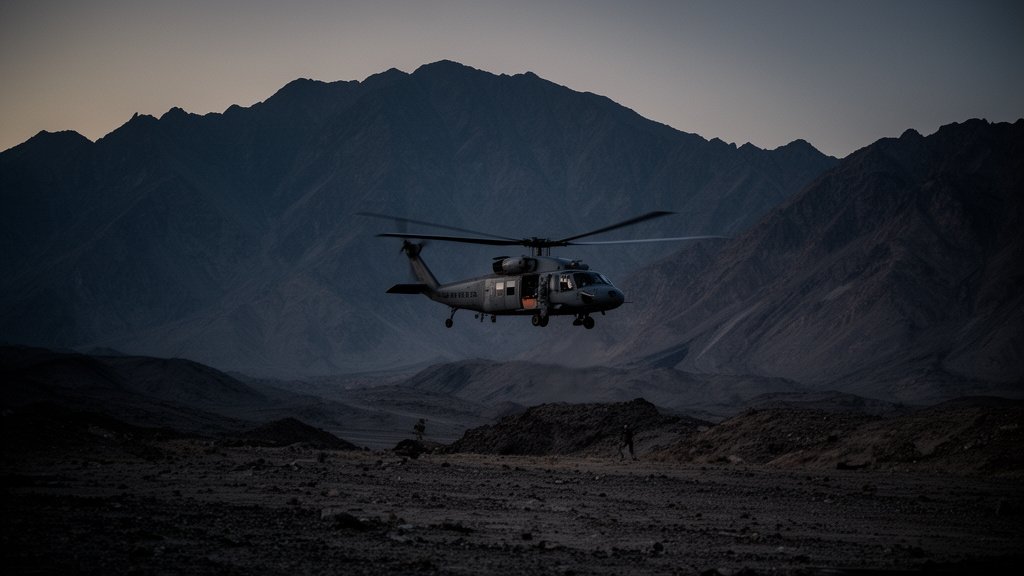
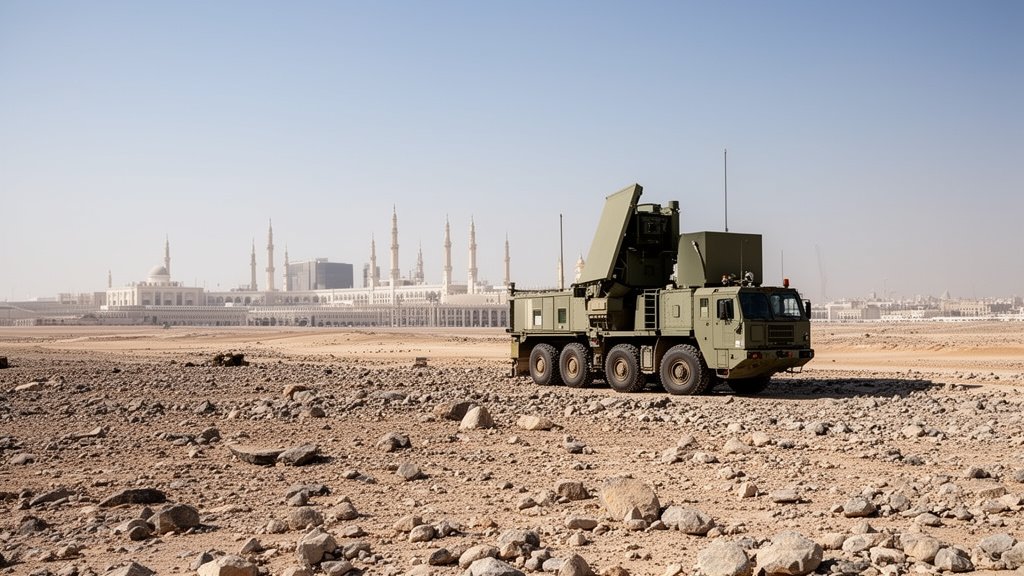
A critical security incident unfolded on Tuesday as Saudi-led coalition air defenses successfully intercepted an unmanned aerial vehicle (UAV) identified as a Houthi drone in the vicinity of the holy city of Mecca. The interception, which occurred during a heightened state of regional vigilance, prompted an immediate security alert for the area, serving as a stark reminder of the evolving drone threat landscape impacting the Arabian Peninsula. While the interception prevented any potential impact on the city, the event has reignited concerns regarding the strategic reach of the Houthi movement and the implications for regional stability.
Key Highlights
- Targeted Interception: Royal Saudi Air Defense Forces identified and neutralized the drone before it could reach the restricted airspace around the holy city.
- Rare Alert Status: The incident triggered a rare, high-level security alert, mobilizing defense assets and emergency response protocols in the Mecca region.
- Escalation Warning: The Saudi-led coalition has formally condemned the attempted incursion, pledging to implement strict deterrent measures against those responsible.
- Regional Repercussions: Analysts suggest this event marks a tactical shift, raising questions about the sophistication of drone technology currently deployed in asymmetric warfare.
Escalating Threats and the Defense of the Holy City
The interception of a drone near Mecca is not merely a tactical victory for air defense systems; it represents a significant geopolitical escalation. For years, the Houthi movement (Ansar Allah), based in northern Yemen, has utilized long-range ballistic missiles and explosive-laden drones to target critical infrastructure within Saudi Arabia, including oil facilities, airports, and military installations. However, the targeting of Mecca—the spiritual epicenter of the Islamic world—carries a uniquely potent symbolic weight that forces a fundamental recalibration of defensive strategies.
The Technological Arms Race in Air Defense
Modern air defense, specifically the systems deployed by the Royal Saudi Air Defense Forces, faces a continuous challenge: the “swarm and saturation” tactics often employed by non-state actors. The drone intercepted on Tuesday highlights the necessity of multi-layered defense architectures. Analysts note that while Patriot missile batteries are highly effective against ballistic missiles, the proliferation of low-altitude, radar-evasive drones requires a more nuanced approach, often integrating electronic warfare suites and short-range air defense (SHORAD) systems. This incident likely involved a combination of rapid-response radar tracking and precision kinetic interception, underscoring the high costs associated with maintaining a perpetual defensive shield over key population centers.
Geopolitical Implications and Deterrence
Following the incident, the Saudi-led coalition issued a firm statement, characterizing the drone deployment as a hostile act that ignores international norms and the sanctity of holy sites. The promise of “strict deterrent measures” suggests that the coalition is moving away from purely reactive defensive postures toward a more proactive doctrine. This shift is critical, as it attempts to dissuade future incursions by signaling that the cost of such attacks—both militarily and diplomatically—will increase significantly for the perpetrators. The international community is closely monitoring this rhetoric, as any potential retaliatory action could further destabilize the fragile, albeit currently existing, de-escalation frameworks that have been tenuous in the Yemeni conflict.
The Human and Economic Impact
Beyond the immediate military concerns, such incidents create a ripple effect on the economic and social stability of the region. Mecca relies on a consistent influx of visitors for pilgrimage, and the perception of insecurity can lead to severe economic contractions. Furthermore, these attacks compel the redirection of significant national resources toward continuous border and infrastructure security, diverting funds that might otherwise be allocated to Vision 2030 initiatives. The resilience of the Saudi defense network is a cornerstone of investor and pilgrim confidence alike; therefore, the success of the interception is a vital component in maintaining the status quo of regional commerce and religious tourism.
FAQ: People Also Ask
Q: Why was the security alert near Mecca considered ‘rare’?
A: While Saudi Arabia frequently manages drone and missile interceptions near its borders, the airspace surrounding Mecca is heavily restricted and protected by the most advanced, dense, and multi-layered defense systems in the kingdom. An incursion reaching the proximity of Mecca is highly unusual and suggests either a major failure in threat detection or a significant upgrade in the drone’s evasion technology, prompting an elevated alert status.
Q: What defense systems are typically used against these drones?
A: The Saudi-led coalition typically utilizes a combination of MIM-104 Patriot systems for high-altitude threats and advanced radar-guided artillery or directed-energy weapons (where available) for low-altitude drones. Electronic jamming is also a primary method for disabling remote-controlled or GPS-guided UAVs before they reach their targets.
Q: What is the likelihood of further escalations following this event?
A: Military analysts generally view this as a potential flashpoint. If the Houthi movement continues to prioritize high-value symbolic targets like Mecca, the coalition is likely to intensify intelligence operations and potentially conduct preemptive strikes on launch sites within Yemen, increasing the probability of a cycle of retaliatory attacks.