A recent viral video of a disturbing Metro Handcuff Prank has ignited fury online, showing a social media creator handcuffing unsuspecting passengers on a metro train before leaving them attached to railings. This Metro Handcuff Prank, perpetrated by creator Emre Nalcakar, has led to widespread condemnation and demands for strict legal action, quickly becoming a trending topic that highlights growing concerns about dangerous online stunts and the need for creator accountability.
The Disturbing Metro Handcuff Prank Unfolds
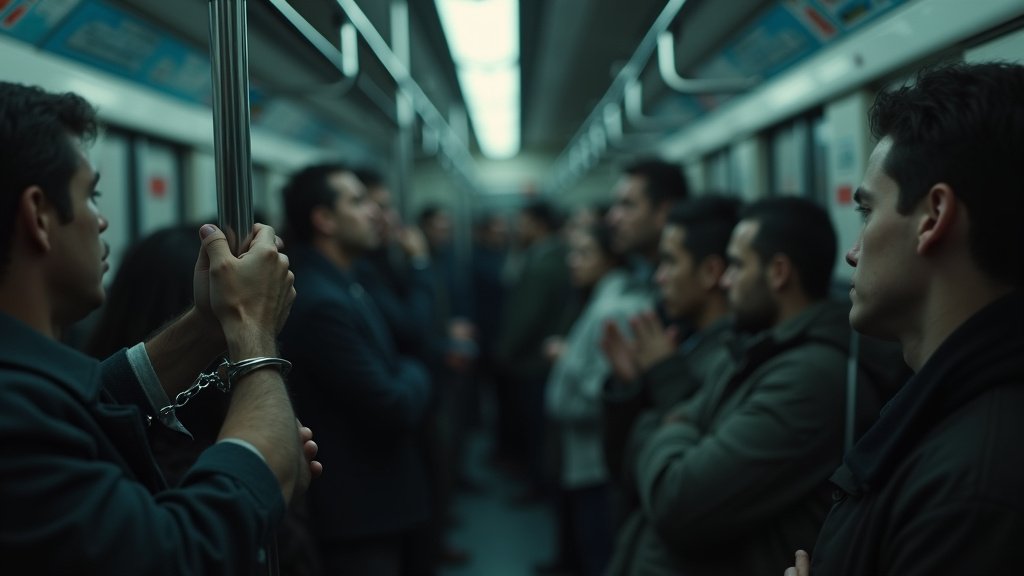
The shocking clip reveals Nalcakar’s disturbing prank. He approached passengers in a metro coach, then attached handcuffs to their wrists, securing them to metal railings before casually departing the scene with the key. The passengers appeared visibly confused and distressed, left trapped in public transport. Fortunately, other commuters intervened and assisted the victims. This Metro Handcuff Prank video garnered nearly 18 million views across platforms, sparking debate around the Metro Handcuff Prank.
Public Reaction to the Metro Handcuff Prank: Anger and Accusations
The prank immediately provoked heavy backlash, with social media users expressing strong disapproval and insisting the act was not lighthearted fun but potentially criminal behavior. “This is wrong on so many levels,” one viewer commented. Another stated, “Life threatening. False imprisonment prank.” Even if the scenario was staged, some argued the message spread by the Metro Handcuff Prank was reckless. Frustration mounted over perceived lax rules, with users arguing these leniencies enable creators to push unsafe boundaries. Calls for stricter enforcement and decisive intervention from authorities grew louder regarding this Metro Handcuff Prank.
Legal and Ethical Boundaries Crossed by the Metro Handcuff Prank
Experts caution that pranks, especially a stunt like the Metro Handcuff Prank, can easily cross legal lines. The law often scrutinizes both intent and impact. If a prank causes fear, distress, or harm, charges can follow, potentially leading to accusations of false imprisonment prank or disorderly conduct. Vandalism or criminal mischief could also apply. The prankster’s intent to joke does not negate consequences, as legal frameworks focus on actual harm and unlawful activities involved. Potential penalties for such a Metro Handcuff Prank include significant fines, and some cases may even involve jail time.
A Pattern of Risky Online Behavior, Including the Metro Handcuff Prank
Emre Nalcakar operates as a social media creator, with content often appearing on platforms like Instagram, where the primary motivation for stunts like the Metro Handcuff Prank is often engagement. Creators seek views and online notoriety. This metro handcuff incident is not an isolated case; it echoes other problematic pranks on public transport. A YouTuber in Brussels faced arrest and charges of assault and battery following a stunt involving throwing filth on passengers. In New York City, a TikTok prankster dumped milk and cereal, an act deemed “a new low” by the MTA. These events highlight a trending issue where creators risk public safety for views, exemplified by the Metro Handcuff Prank.
Calls for Platform and Authority Action on Pranks like the Metro Handcuff Stunt
Online communities are vocal in their demands, urging transit authorities and social media platforms to act against content like the Metro Handcuff Stunt. There is a growing consensus for stricter regulations targeting dangerous “prank” content. Social media companies do sometimes remove such videos, but the content can resurface elsewhere, making enforcement challenging. The debate continues about content moderation policies, with many believing platforms must take greater responsibility to prevent the spread of harmful stunts. This particular Metro Handcuff Prank video became featured news across many outlets, becoming a prominent viral prank video.
Conclusion: Fame vs. Public Safety in the Wake of the Metro Handcuff Prank
The viral Metro Handcuff Prank serves as a stark reminder, underscoring the fine line between online entertainment and real-world harm. The overwhelming public outcry highlights a desire for accountability and questions the pursuit of fame at others’ expense. This event is a top story fueling discussions on online content ethics and creator responsibility. Ultimately, online popularity should not compromise public safety or individual dignity. The news surrounding this incident prompts serious reflection on current prank culture, suggesting a need for greater caution and emphasizing that respect for fellow citizens must prevail over likes and shares, especially in the context of a dangerous online prank like the Metro Handcuff Prank.