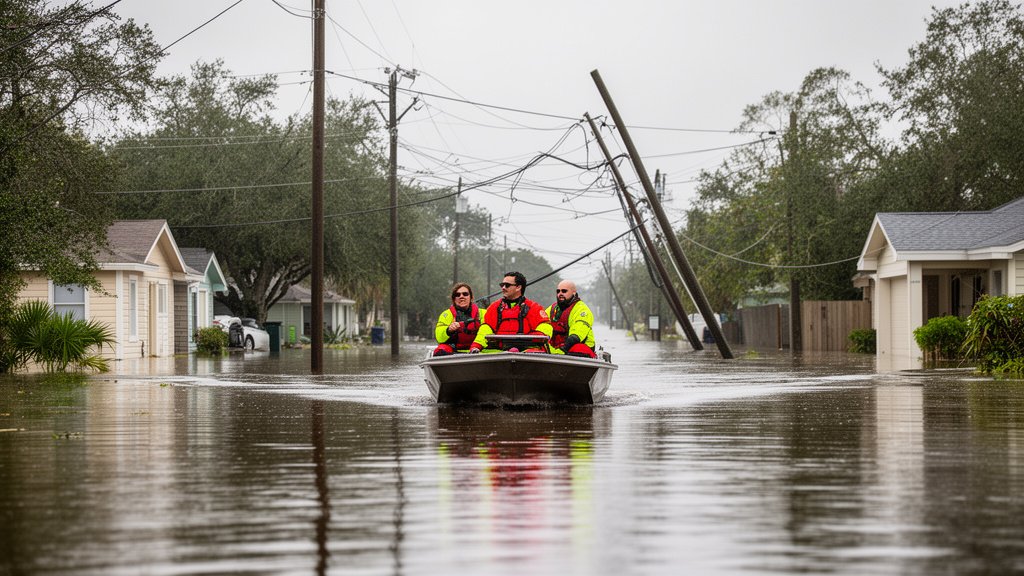
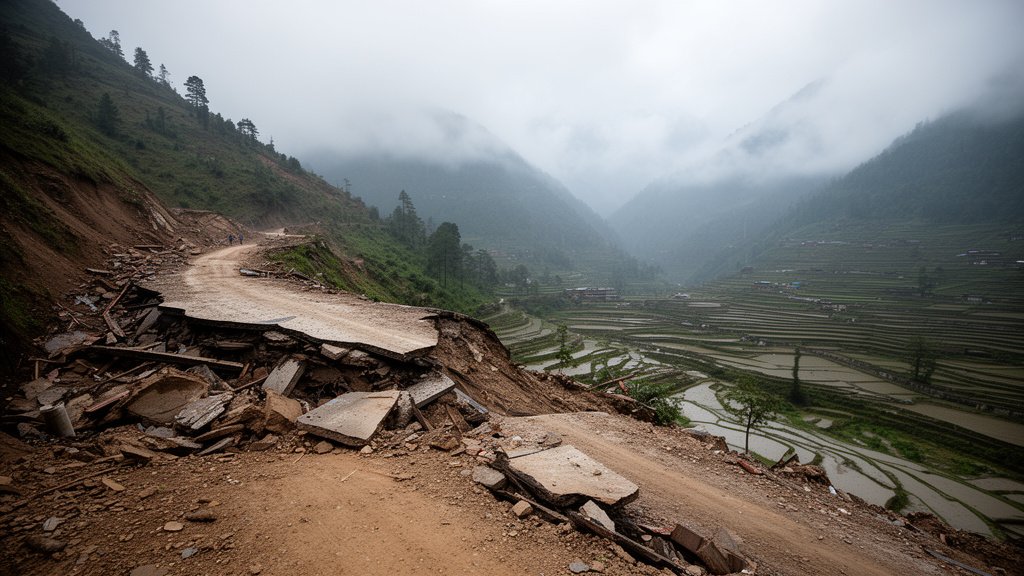
The humanitarian crisis in Nepal has worsened significantly, with the official death toll from recent flooding and landslides climbing toward 800 as authorities issue urgent alerts for fresh flooding due to rising river levels. The unprecedented scale of this disaster has overwhelmed local emergency response systems, cutting off isolated communities across the Himalayan nation and prompting international calls for aid. The Nepal flood disaster represents one of the most severe climate-induced catastrophes in the country’s recent history, compounded by erratic monsoon patterns that have left the region’s topography dangerously unstable.
Key Highlights:
- Death toll is approaching 800 as recovery operations continue in debris-heavy zones.
- Authorities have issued high-level alerts as river basins, including the Bagmati, remain at critical risk of overflow.
- Infrastructure across rural Nepal has been crippled, with primary highways and bridges severed, isolating entire municipalities.
- The National Disaster Risk Reduction and Management Authority (NDRRMA) is struggling to deploy heavy machinery to landslide-blocked roads.
- Climate experts point to a shift in late-monsoon intensity as the primary driver for this year’s catastrophic surge in flooding.
The Anatomy of a National Calamity
The sheer volume of rainfall experienced across Nepal in recent weeks has defied historical meteorological modeling. What began as seasonal monsoon fluctuations rapidly devolved into a persistent, multi-day deluge that saturated the Himalayan foothills beyond their capacity for absorption. As the death toll nears 800, the narrative of the disaster has shifted from active rescue to a grim recovery phase, complicated by the ongoing threat of secondary landslides. The topography of Nepal, characterized by its steep, terraced landscapes, acts as a force multiplier for water damage. When the soil reaches total saturation, the resulting landslides are not merely localized events but cascading failures that destroy villages and block critical arterial roads simultaneously.
Meteorological Drivers and Structural Instability
Central to the current Nepal flood disaster is the phenomenon of unseasonable, high-intensity precipitation. Climate science entities, including regional observatories monitoring the Hindu Kush Himalaya, have noted that warming atmospheric conditions are leading to more frequent ‘cloudburst’ events. These events deliver concentrated water volume in short timeframes, preventing the ground from draining properly.
From a structural engineering perspective, the impact has been devastating. The roads that connect the mountainous interior to the urban centers in the Terai region have been repeatedly compromised. This infrastructure failure is not merely an inconvenience; it is a critical blockage in the supply chain for food, fuel, and, crucially, medical supplies. The engineering challenge is immense: local authorities are attempting to clear roads that are essentially being washed away as fast as they are being repaired, leaving recovery teams dangerously overstretched.
The Human and Economic Toll
While the headline figure of 800 fatalities dominates the discourse, the downstream economic impact will likely be felt for years. Agriculture in the Terai—often referred to as the breadbasket of Nepal—has been decimated. Thousands of hectares of paddy fields have been inundated, and livestock loss is estimated to be in the tens of thousands. For a rural population that operates primarily on subsistence farming, this loss equates to a complete wipeout of livelihoods. The displacement crisis is equally pressing, with thousands of families now sheltering in temporary government camps or improvised structures. These camps, often lacking robust sanitation, present a secondary health risk—the looming potential for waterborne disease outbreaks as standing water remains stagnant.
Logistical Nightmares in Mountainous Terrain
One of the most persistent hurdles in the NDRRMA’s relief operations is the sheer inaccessibility of the affected zones. In a region where helicopter transport is often the only viable method for reaching cutoff villages, weather conditions have frequently grounded fleets, delaying the delivery of aid. The coordination between local provincial governments and the federal administration has been under strain, as the sheer scope of the destruction requires a level of centralization that the current, decentralized administrative model of Nepal is struggling to provide.
Furthermore, the psychological toll on local first responders cannot be overstated. These personnel are often dealing with the loss of their own homes and neighbors while being tasked with the search and recovery efforts. The resilience of these communities is being tested to its absolute limit as they face the prospect of a long, difficult winter with damaged infrastructure and limited resources.
FAQ: People Also Ask
Q: What is the primary cause of the current flooding in Nepal?
A: The primary cause is an unprecedented period of intense, prolonged monsoon rainfall that saturated the soil, leading to widespread landslides and river overflow. Climate experts also attribute the severity to shifting weather patterns associated with regional climate change.
Q: Is the death toll of 800 final?
A: No, the figure is an estimate approaching 800 as of the latest reports. As search and rescue teams gain access to remote, currently unreachable villages, authorities anticipate that the number of confirmed fatalities may unfortunately rise further.
Q: What is the biggest challenge for relief efforts?
A: The biggest challenge is the total destruction of critical infrastructure, specifically roads and bridges, which makes reaching isolated communities in the Himalayan terrain nearly impossible for heavy machinery and traditional relief convoys.