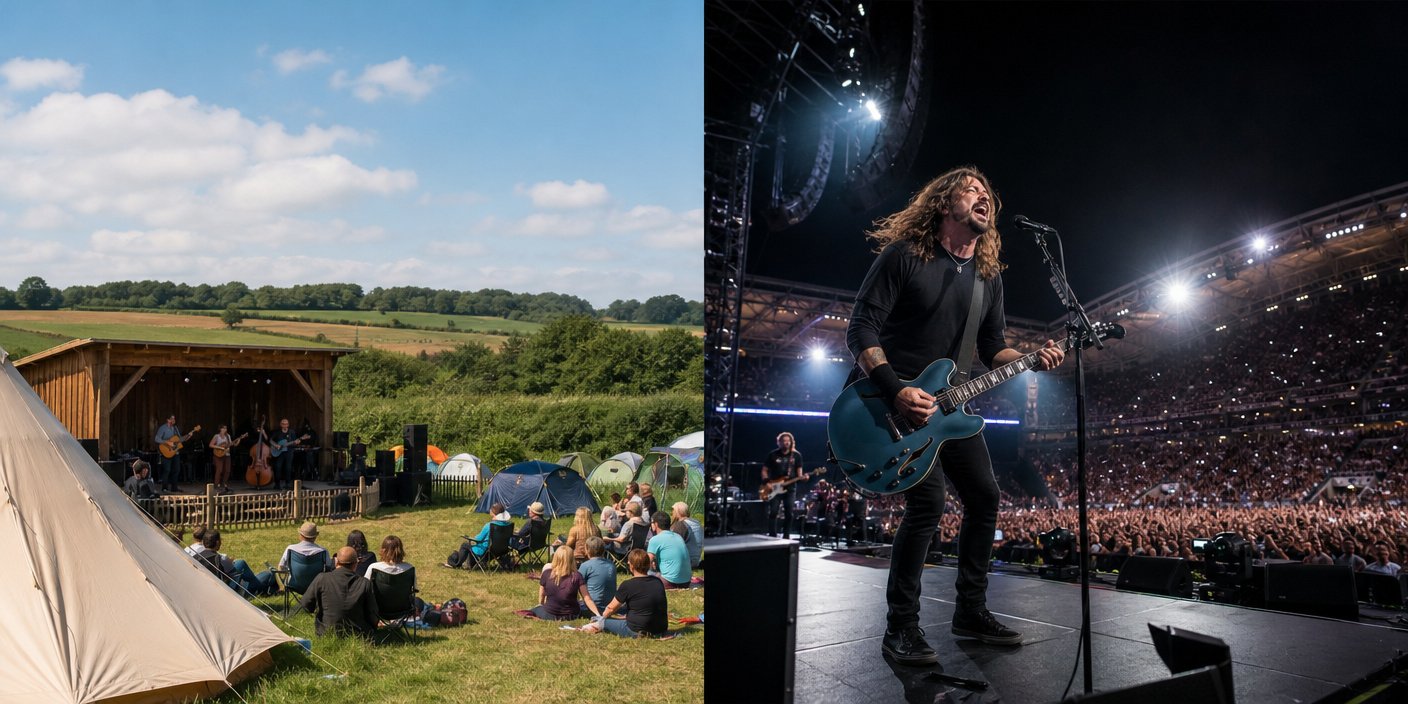
This week, Philadelphia solidifies its reputation as a premier destination for live music, offering a stark and exciting contrast between the intimate, storied grounds of the Old Pool Farm and the roaring, high-octane energy of major stadium tours. The convergence of the 63rd Annual Philadelphia Folk Festival and marquee acts like the Foo Fighters highlights a vibrant, multifaceted weekend that underscores the region’s deep commitment to both musical heritage and modern spectacle.
Key Highlights
- 63rd Annual Philadelphia Folk Festival: Held August 16–18, 2024, at the historic Old Pool Farm in Upper Salford Township, celebrating over six decades of acoustic tradition.
- Organized Tradition: The event is spearheaded by the Philadelphia Folksong Society, a non-profit dedicated to preserving folk music through community engagement.
- Stadium-Scale Impact: Major tour stops, such as the Foo Fighters’ latest Philadelphia performance, drive significant tourism, hospitality revenue, and local economic activity.
- A Cultural Duality: The weekend offers attendees a unique choice between the grassroots, volunteer-driven intimacy of folk camping and the polished, high-production standards of arena rock.
The Pulse of the Philadelphia Music Scene
The Philadelphia music calendar is rarely static, but this week serves as a quintessential example of the city’s vast cultural breadth. While the sonic profiles of the Philadelphia Folk Festival (PFF) and a stadium-filling rock act like the Foo Fighters are distinct, they share a common thread: the ability to foster community. For residents and visitors alike, this week provides a rare opportunity to engage with both the history of the American songbook and the cutting edge of contemporary rock.
The 63rd Philadelphia Folk Festival: A Legacy in Motion
Returning to the Old Pool Farm for its 63rd installment, the Philadelphia Folk Festival remains one of the longest-running outdoor music festivals in the United States. Managed by the Philadelphia Folksong Society, the event has evolved from a niche gathering of folk purists into a multi-generational cultural phenomenon. The festival’s longevity is a testament to its volunteer-led model, which prioritizes community over commercialization.
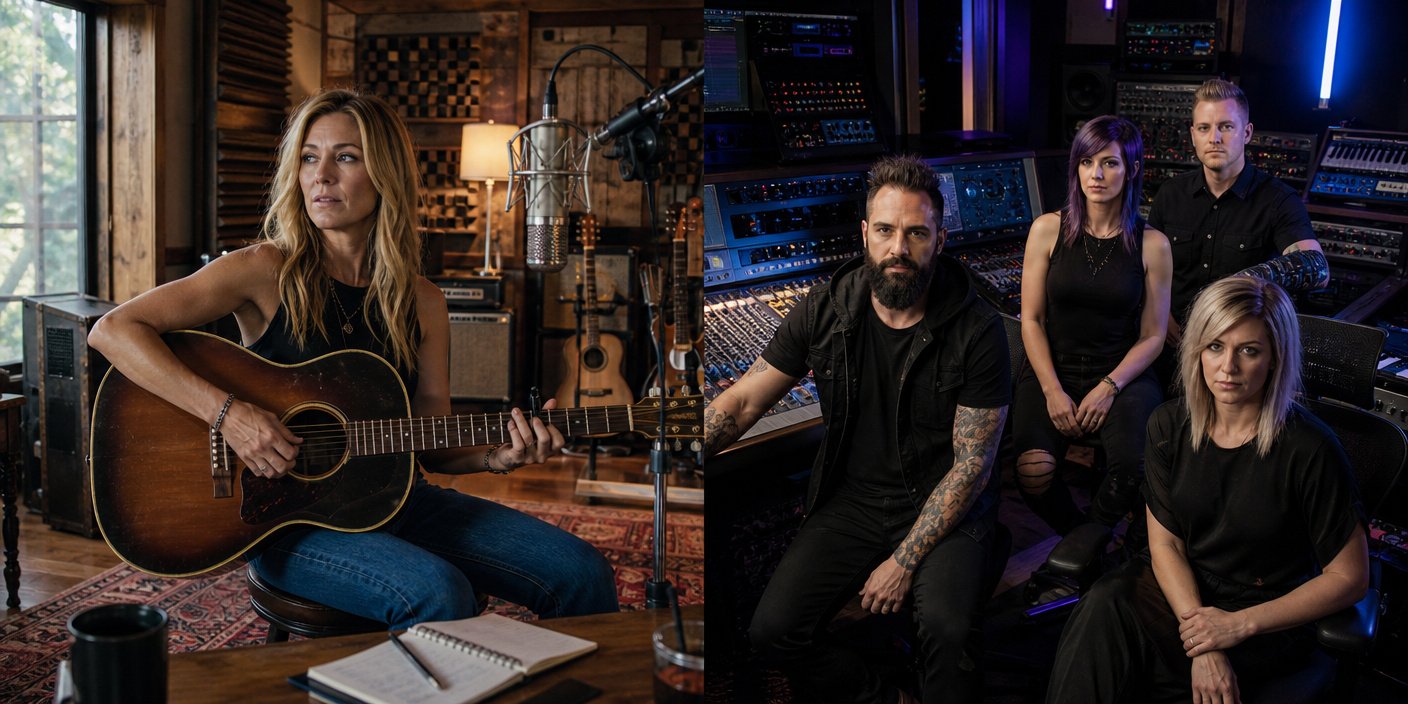
Attendees this year are treated to a curated lineup that bridges the gap between traditional folk, bluegrass, and modern indie-acoustic sounds. The significance of the PFF lies not just in the music, but in the atmosphere—a temporary township of musicians, campers, and historians that pops up in Upper Salford Township. This year’s focus on diverse genre talent ensures that the festival remains relevant, attracting a demographic that spans from long-time enthusiasts to younger audiences discovering the roots of modern songcraft.
Stadium Power: The Foo Fighters Phenomenon
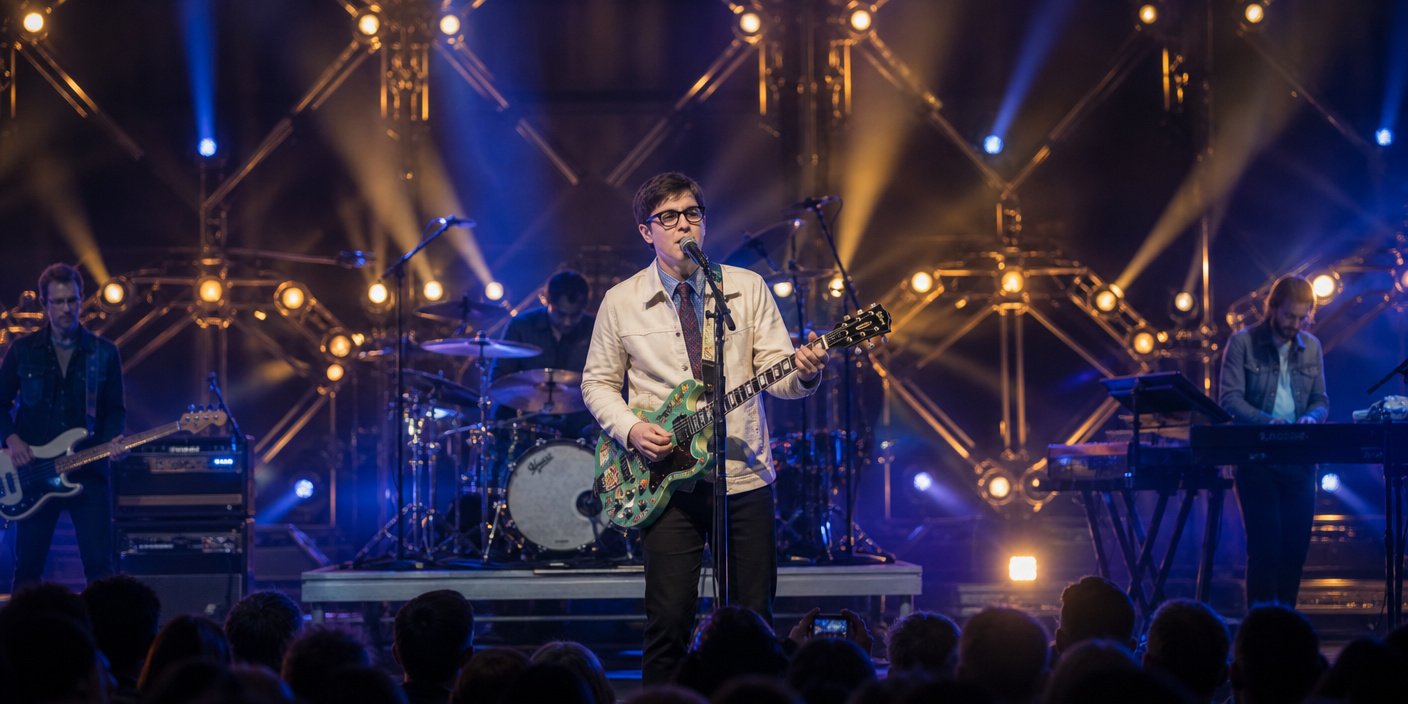
In direct contrast to the acoustic intimacy of PFF, the presence of global icons like the Foo Fighters in the Philadelphia area demonstrates the city’s enduring appeal as a major tour stop. Led by Dave Grohl, the band’s ability to command stadiums is a metric for the health of the live entertainment industry.
When a band of this magnitude rolls into town, the ripple effects are immediate and measurable. Hotels report increased occupancy rates, local restaurants in the Stadium District see a surge in foot traffic, and public transportation systems experience heightened demand. Beyond the economics, there is the psychological impact of the ‘event’—the communal experience of thousands of fans singing in unison. It is a spectacle of synchronization that complements the communal nature of the folk festival, albeit on a much larger scale of production.
Economic and Cultural Resilience
The pairing of these two disparate musical events highlights a compelling economic secondary angle: the sustainability of live performance. The Philadelphia Folksong Society operates on a model that emphasizes longevity and community stewardship, insulating the PFF from the boom-and-bust cycles that often plague commercial festivals. Conversely, the stadium rock model relies on high-volume ticket sales and merchandise integration to drive local economies.
The Future of Regional Tourism
Philadelphia has successfully branded itself as a ‘gateway’ music city. By hosting festivals like the PFF—which draws an audience that prioritizes camping and weekend-long immersion—alongside massive touring acts, the region caters to two distinct tourist segments. This duality helps Philadelphia maintain its status as a cultural hub throughout the year, rather than relying on a single ‘season’ for entertainment.
Looking forward, experts anticipate that this hybrid approach to event booking will become the blueprint for cities aiming to maximize their cultural capital. By investing in the preservation of grassroots music institutions while aggressively pursuing high-revenue touring acts, Philadelphia ensures that it remains an essential destination on the national tour circuit and a leader in regional festival culture.
FAQ: People Also Ask
Q: What is the significance of the Old Pool Farm for the Philadelphia Folk Festival?
A: The Old Pool Farm in Upper Salford Township has served as the spiritual and physical home of the festival for most of its history. It is integral to the event’s identity, providing the requisite space for the ‘festival city’—the massive temporary campground that defines the PFF experience.
Q: Is the Philadelphia Folk Festival volunteer-run?
A: Yes, the festival is heavily reliant on the Philadelphia Folksong Society’s volunteer base. This volunteer model is a critical factor in the festival’s ability to keep ticket prices accessible and maintain a community-focused atmosphere for over 60 years.
Q: How do major stadium concerts like the Foo Fighters impact the local Philadelphia economy?
A: Major tour stops act as massive economic stimulants. They drive immediate revenue into the hospitality sector, including hotels, dining, and retail. Additionally, these events often create temporary jobs and tax revenue for the city, reinforcing the importance of attracting top-tier global acts.
Q: Can I still get tickets to the current festival or tour events?
A: While the 63rd Annual Philadelphia Folk Festival has specific dates in August, availability typically depends on advance sales and tier-based pricing. For stadium tours like the Foo Fighters, tickets often sell out months in advance via primary ticketing platforms, though verified resale markets may fluctuate.