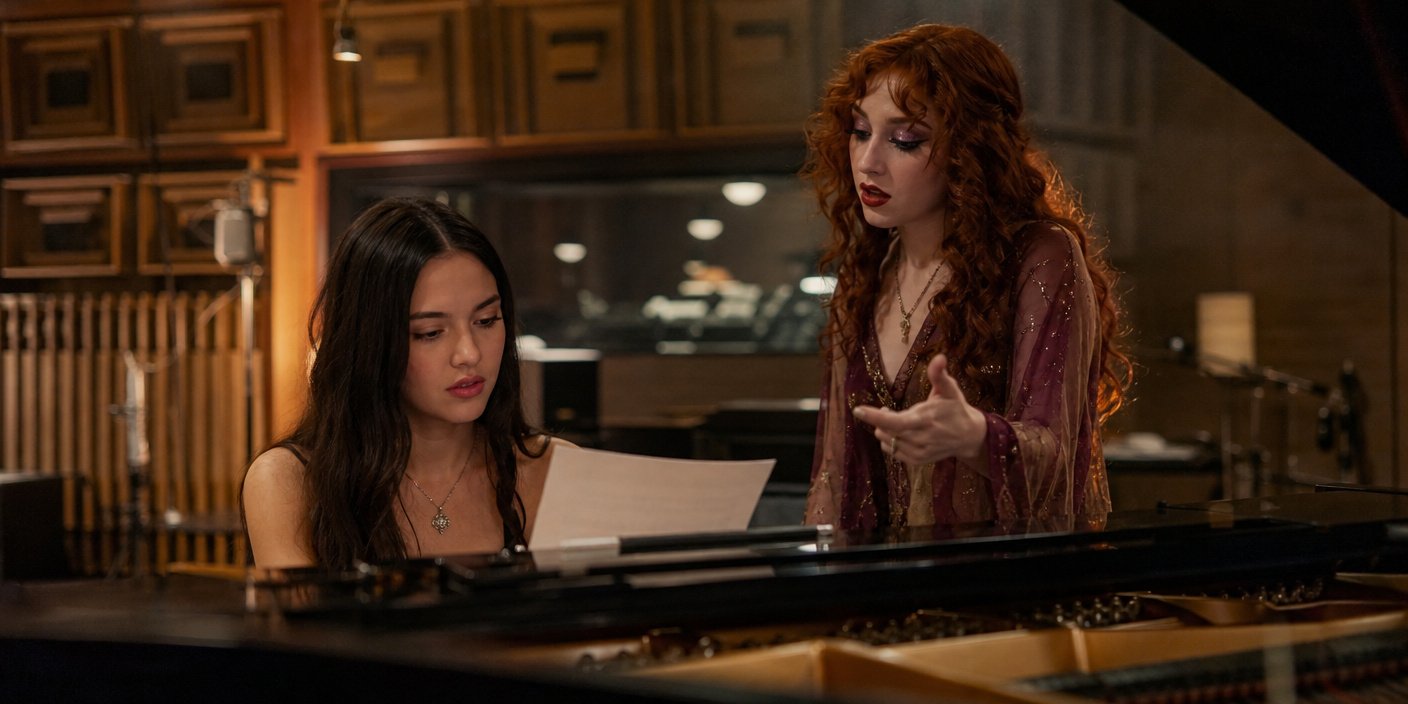
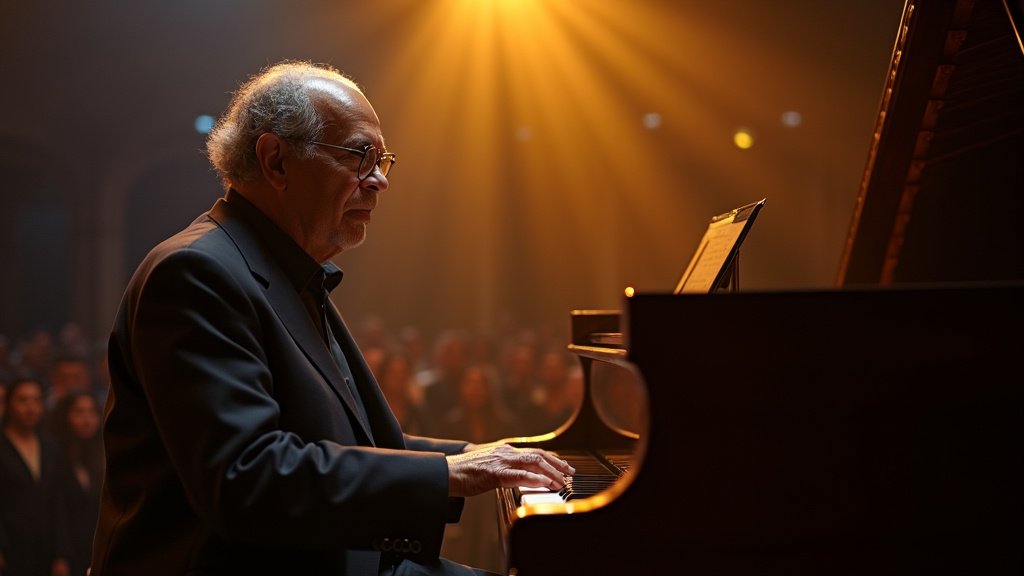
Richard Smallwood, a monumental figure in gospel music, has passed away, leaving behind a significant Richard Smallwood legacy. He died on December 30, 2025, at the age of 77, due to complications from kidney failure. Richard Smallwood was a renowned composer, pianist, and arranger who profoundly reshaped contemporary gospel music. His remarkable career, spanning over five decades, was characterized by a masterful fusion of classical music with traditional Black gospel, creating a uniquely influential sound that touched millions. Richard Smallwood is widely celebrated as a gospel music icon and a MAJOR AMERICAN MUSIC ARTIST.
Early Life and Education of Richard Smallwood
Richard Lee Smallwood was born in Atlanta, Georgia, and later moved to Washington, D.C. His stepfather, Rev. Chester L. Smallwood, was a pastor, ensuring music was a central part of his upbringing. Richard Smallwood displayed exceptional musical talent from a young age, playing piano by ear at five and beginning formal training at seven. By eleven, he had already formed his first gospel group, showcasing his early promise as a gospel composer.
Smallwood attended Howard University, graduating cum laude with dual B.A. degrees in classical vocal performance and piano. He further pursued graduate studies in ethnomusicology. During his time at Howard, Richard Smallwood was an active member of The Celestials, the university’s first gospel group, and a founding member of its inaugural gospel choir. His tenure at Howard University provided a strong academic and artistic foundation for the future Richard Smallwood legacy.
Career Highlights and Musical Innovation by Richard Smallwood
Richard Smallwood embarked on his recording career in 1982, establishing The Richard Smallwood Singers. Their debut album achieved remarkable success, remaining on Billboard’s Gospel chart for 87 weeks. His subsequent album, “Psalms,” garnered a Grammy nomination, as did “Textures,” which featured the widely acclaimed song “Center of My Joy,” co-written by Richard Smallwood with Bill and Gloria Gaither.
A hallmark of Richard Smallwood’s artistry was his innovative blend of classical music and gospel, infusing traditional hymns with contemporary sounds. This distinct approach significantly influenced countless musicians and solidified his position as a key figure in modern worship music. Later, he formed the ensemble Vision, known for its sophisticated harmonies and deeply scriptural compositions. The profound faith and hope embedded in Richard Smallwood’s music, often drawn directly from the Bible, resonated deeply with listeners.
Iconic Songs and Industry Recognition for Richard Smallwood
The indelible Richard Smallwood legacy is powerfully represented by his enduring gospel anthems. “Total Praise,” a song frequently performed globally, stands as one of his most celebrated works. Another beloved song, “I Love the Lord,” gained significant popularity when recorded by Whitney Houston for “The Preacher’s Wife” soundtrack. Both “Total Praise” and “I Love the Lord” have been notably covered or sampled by prominent artists like Destiny’s Child and Boyz II Men, further cementing Richard Smallwood’s impact.
Richard Smallwood received numerous prestigious accolades throughout his career. He earned eight Grammy nominations and secured a Grammy Award for his production on “Handel’s Messiah: A Soulful Celebration.” His contributions were further recognized with multiple Dove Awards and Stellar Awards. In 2006, Richard Smallwood was inducted into the Gospel Music Hall of Fame, and in 2023, he was honored with the Presidential Lifetime Achievement Award, a testament to his extensive impact as a pianist arranger.
Richard Smallwood’s Lasting Legacy and Impact
Richard Smallwood’s influence permeates across various musical genres, with artists such as Aretha Franklin and Stevie Wonder recording his compositions. His songs have become integral to worship services in churches worldwide, underscoring his profound spiritual connection to his audience. Ordained as a minister, Richard Smallwood often expressed his mission to heal broken hearts through music, viewing his art as a sacred ministry.
Beyond his performance and composition career, Richard Smallwood was dedicated to education, teaching music at the University of Maryland. He also served as a minister at Metropolitan Baptist Church. The enduring Richard Smallwood legacy is one of unwavering excellence, profound faith, and inspiration to generations of gospel musicians. His rich catalog of timeless music continues to uplift and inspire, ensuring that Richard Smallwood’s contributions to contemporary gospel and modern worship music remain significant and deeply cherished. The news of his passing signifies a profound loss felt by fans worldwide.