The U.S. Navy is executing a critical force rotation in the Middle East, replacing the USS Abraham Lincoln with the USS George Washington amid a period of extreme operational strain. This transition arrives at a pivotal juncture, as the Biden administration and the Department of Defense grapple with intense legislative pressure regarding the mental health of personnel and the sustainability of ongoing drone operations in the region. The move comes after the USS Abraham Lincoln logged over 250 days of continuous deployment, a duration that has drawn sharp criticism from Senate Democrats concerned about the toll on crew readiness and well-being.
Key Highlights
- Strategic Replacement: The USS George Washington is officially entering the Middle East theater, relieving the USS Abraham Lincoln.
- Operational Fatigue: The USS Abraham Lincoln has surpassed 250 days of active deployment, sparking significant debate regarding sailor morale.
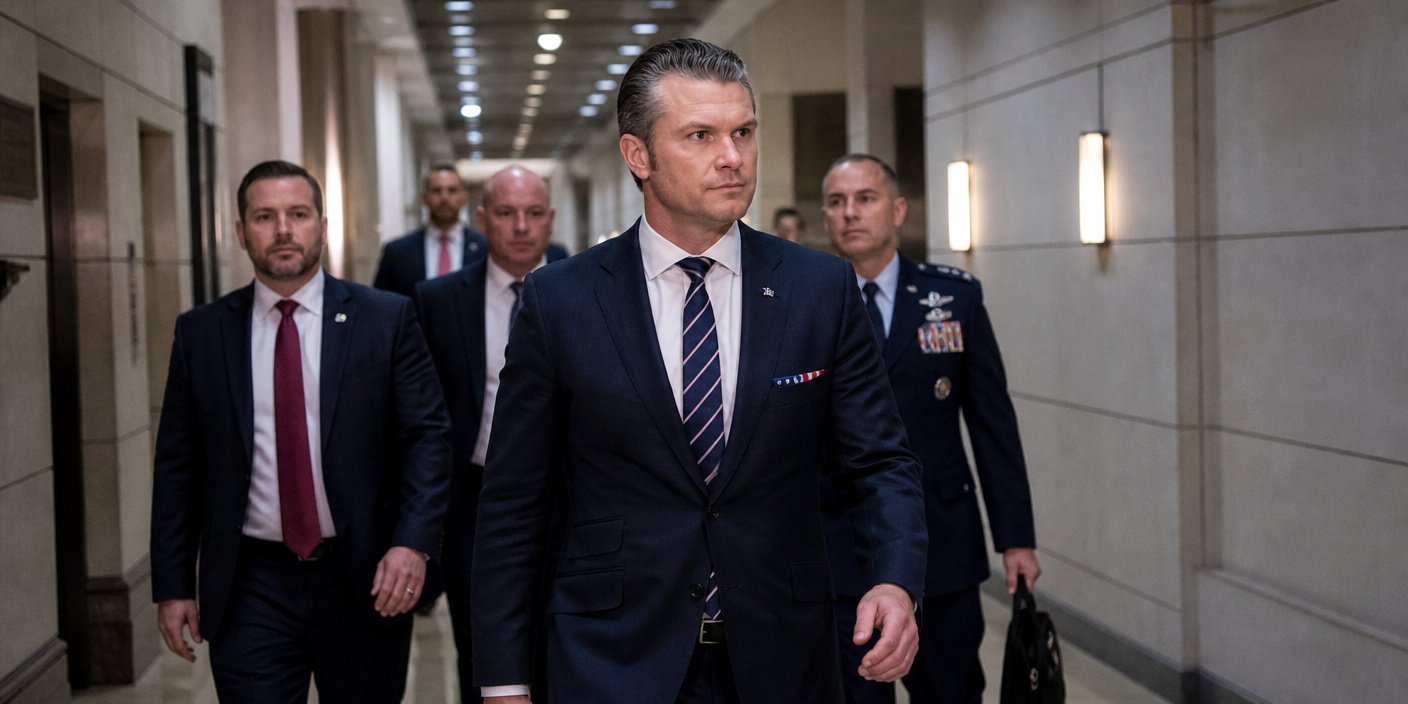
- Legislative Scrutiny: Senate Democrats are demanding accountability from Defense Secretary Pete Hegseth regarding reported suicide attempts and substandard living conditions aboard the Lincoln.
- Drone Attrition: The U.S. military has confirmed the loss of at least 45 MQ-9 Reaper drones during the persistent tensions and conflict involving Iran.
The Crisis of Operational Sustainability
The deployment of a carrier strike group is not merely a movement of naval assets; it is a profound commitment of resources, logistics, and human life. The current situation involving the USS Abraham Lincoln serves as a stark case study in the diminishing returns of extended, high-intensity naval deployments. Having remained on station for over 250 days, the crew of the Lincoln has operated well beyond standard operational parameters.
Naval analysts suggest that such prolonged periods at sea directly impact operational effectiveness. When crews are stretched to their limits, the margin for error narrows, and the psychological impact on the sailors becomes an operational risk. The reports emerging from the Lincoln—specifically concerning attempted suicides and, as described by lawmakers, “abysmal living conditions”—have shifted the conversation in Washington from mere strategic necessity to a moral audit of the Department of Defense’s personnel management.
The Hegseth-Senate Conflict
Defense Secretary Pete Hegseth has found himself at the center of a brewing storm. Senate Democrats, led by members of the Armed Services Committee, are pressing Hegseth for transparency regarding the conditions that led to the reported mental health crises aboard the Lincoln. The inquiry is not just about the specific incident reports, but about the systemic failure to prioritize sailor welfare in the heat of a geopolitical standoff. The Senate’s demand for accountability suggests a growing impatience with military leadership’s willingness to sacrifice crew stability for regional posturing.
The Hidden Cost of Aerial Surveillance
Beyond the naval personnel crisis, the U.S. military is also reckoning with a severe loss of unmanned aerial systems. The tally of 45 MQ-9 Reaper drones lost during the conflict with Iran represents a massive blow to the Air Force’s intelligence, surveillance, and reconnaissance (ISR) capabilities. Each MQ-9, a sophisticated platform designed for long-endurance missions, carries a significant financial price tag and represents hours of specialized pilot training and technical support.
These losses underscore a shifting dynamic in modern asymmetric warfare. Iran’s ability—or that of its regional proxies—to target and neutralize high-end American drones demonstrates a growing proficiency in anti-access/area-denial (A2/AD) capabilities. The attrition rate of 45 units is not sustainable, and it suggests that the U.S. is fighting a war of technological attrition where the costs are escalating rapidly.
Future Implications: The Strategic Pivot
The decision to swap the Lincoln for the George Washington is an acknowledgment that the status quo is brittle. Moving forward, the Pentagon must reconcile its desire to maintain a persistent presence in the Middle East with the reality of its shrinking capacity.
1. Personnel Reform: Expect significant legislative pressure to mandate stricter limits on deployment cycles to prevent the burnout seen on the Lincoln.
2. Drone Doctrine: The high attrition of MQ-9s will likely force a shift toward cheaper, expendable drones or a fundamental change in how the U.S. conducts ISR over hostile territory.
3. Geopolitical Balancing: The shift reflects a wider US attempt to keep Iran contained without necessarily increasing the risk of a full-scale direct conflict that would further drain U.S. resources.
FAQ: People Also Ask
Q: How long was the USS Abraham Lincoln deployed?
A: The USS Abraham Lincoln reached a critical threshold, having served an extended deployment of over 250 days, which is significantly longer than standard rotation cycles.
Q: Why are Senate Democrats pressuring Pete Hegseth?
A: Democrats are pressing Secretary Hegseth for answers regarding sailor morale, reports of attempted suicides, and alleged abysmal living conditions aboard the Lincoln during its extended tour.
Q: How many drones has the US lost against Iran?
A: According to recent data, the U.S. military has lost at least 45 MQ-9 Reaper drones during the ongoing tensions and conflict with Iran.
Q: What is the primary role of the USS George Washington in this deployment?
A: The USS George Washington is serving as a replacement force, allowing the crew of the USS Abraham Lincoln to return to home port after being stretched to operational limits.