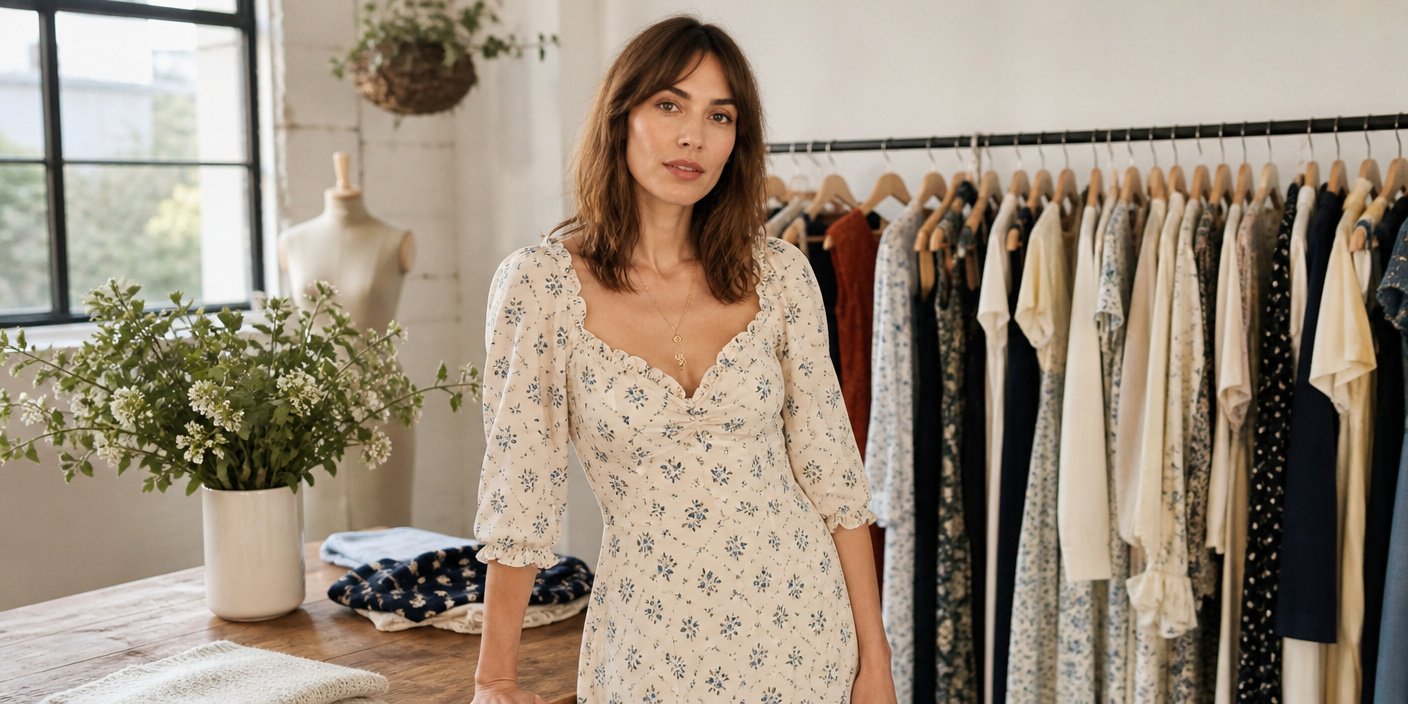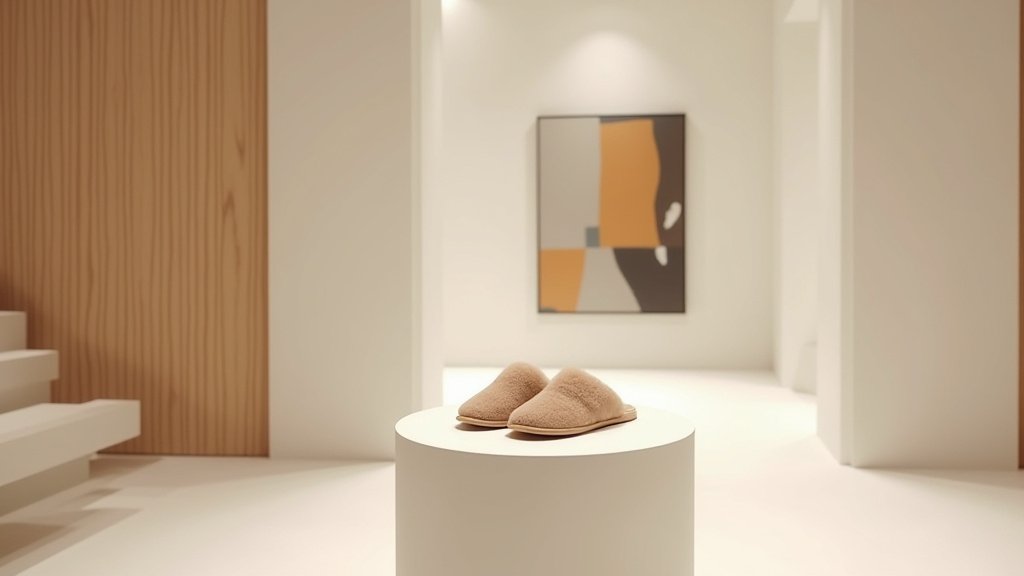
As the dog days of summer begin to yield to the encroaching chill of early autumn, the fashion industry has officially pivoted its focus toward the nuanced art of transitional dressing. According to the August 2026 forecast from Who What Wear, the ‘It Girl’ wardrobe is undergoing a calculated shift, moving away from the purely aspirational, sun-drenched aesthetic of mid-summer in favor of grounded, versatile pieces that bridge the temperature gap.
Key Highlights
- The Transitional Pivot: August is identified as the critical month for ‘transitional fashion,’ prioritizing layers over isolated summer garments.
- The Leather Ballet Flat: The definitive footwear trend for late summer, replacing airy sandals with structured leather alternatives.
- Deconstructing the Linen Kaftan: While linen remains a staple, it is being reimagined not as a standalone beach garment, but as a base layer for more structured autumn silhouettes.
- Strategic Layering: The emphasis is on early-season preparation, encouraging consumers to purchase items that offer utility across two distinct seasons.
The August 2026 Transitional Shift: From Summer Breeze to Autumn Edge
The transition between seasons is rarely as abrupt as the calendar suggests; it is, rather, a subtle negotiation of fabrics, silhouettes, and personal style. In their latest forecast, the analysts at Who What Wear have identified that the modern ‘It Girl’ aesthetic for August 2026 is no longer about maximizing the heat but rather anticipating the inevitable cooling trend. This shift represents a broader movement in the industry toward what can be termed ‘conscious consumption’—the intentional purchase of clothing that doesn’t just serve a single-month purpose but provides longevity throughout the transitional period.
The Art of Layering: Moving Beyond the Kaftan
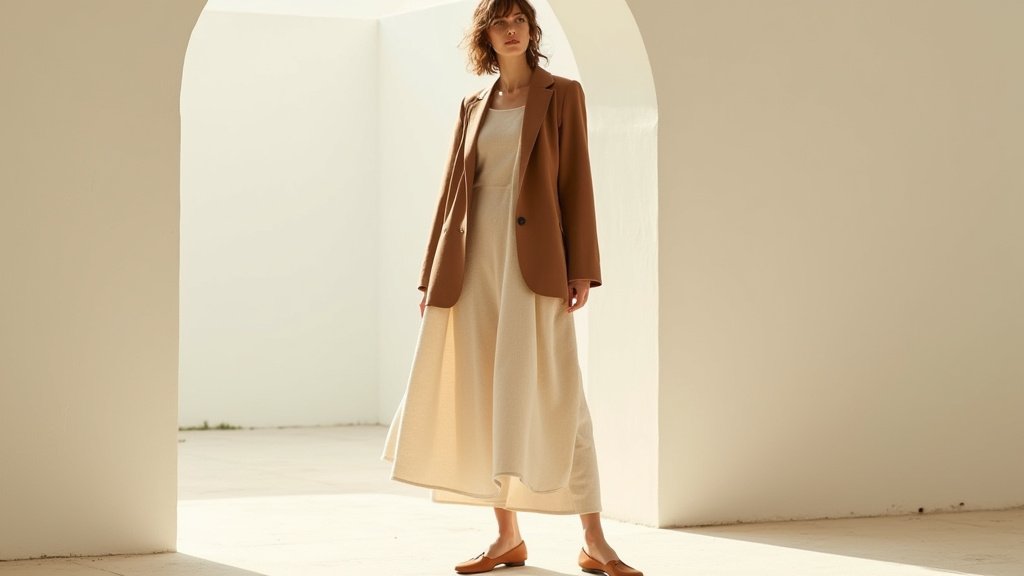
For the past several years, the linen kaftan has dominated the summer wardrobe. However, the 2026 forecast notes a significant evolution in how this staple is styled. The ‘It Girl’ approach this August is to treat the kaftan as a foundational layer rather than a closing statement. By pairing lightweight, breezy linens with structured blazers, leather belts, or heavier cotton knits, the aesthetic leans into a sophisticated, multi-textural depth. This layering tactic is not merely stylistic; it is a pragmatic solution to the unpredictable temperatures of late August, where mornings may require warmth, but afternoons demand breathability. The objective is to extend the lifespan of summer purchases, reducing the need for a total wardrobe overhaul the moment September begins.
Footwear Evolution: Why Ballet Flats Are the Season’s Anchor
Perhaps the most distinct signal in the 2026 report is the surge in popularity for leather ballet flats. Moving away from the open-toe sandals that defined the earlier months of the season, the leather ballet flat offers a sleek, closed-toe alternative that feels polished, professional, and transitionally appropriate. This footwear choice serves as a visual anchor for the late-summer look. Unlike heavier boots, which might feel premature, or sandals, which are rapidly losing their seasonal relevance, the ballet flat provides a balanced aesthetic. It complements both the remaining summer dresses and the encroaching fall denim, making it the most versatile investment for a consumer looking to maximize their cost-per-wear ratio in the coming weeks.
Investment Versus Trend: The Economics of Your August Closet
The economic implication of this transitional fashion forecast is profound. By shifting the conversation toward ‘bridge pieces’—items that work in August and September—the industry is tapping into a more conservative, value-oriented consumer mindset. The ‘It Girl’ of 2026 is not necessarily shopping for fast-fashion cycles; she is curating a capsule that favors durability. Buying a high-quality leather ballet flat or a structured linen piece that can be layered allows for a seamless flow between summer vacations and the return to professional, urban settings. This represents a mature shift in fashion consumption, where the ‘It Girl’ persona is defined not by novelty, but by the ability to style a cohesive narrative across varying climates.
The Psychology of the ‘In-Between’ Season
There is a distinct psychological shift that occurs in August. It is a month caught between the nostalgia of summer’s end and the anticipation of new beginnings—often aligned with the academic or professional ‘new year’ that occurs in September. The fashion industry capitalizes on this by introducing ‘pre-fall’ aesthetics that offer a sense of order and structure. The adoption of leather and more muted, earthy tones alongside our residual summer staples provides a comforting sense of progression. It is a way of reclaiming control over the wardrobe, transitioning from the chaotic, carefree nature of peak summer into the focused, deliberate energy of the coming months.
FAQ: People Also Ask
Q: What is the primary difference between early August fashion and late August fashion?
A: The primary difference lies in the layering approach. Early August is still driven by heat-management, while late August pivots toward transitional layers, such as mixing summer fabrics like linen with more structured, autumnal accessories like leather.
Q: Why are leather ballet flats considered a key investment for this season?
A: Leather ballet flats act as a ‘bridge shoe.’ They provide the breathability needed for the end of summer while offering the formal, closed-toe structure required for the transition into fall, making them highly versatile for various settings.
Q: Can I still wear my linen kaftans in late August?
A: Yes, the forecast suggests that linen kaftans are essential for the 2026 season, provided they are styled as base layers. Pair them with a structured jacket or leather belt to modernize the look and transition it into a cooler climate.
Q: Is this trend shift driven by sustainability?
A: While the forecast focuses on style, the emphasis on versatility and transitional pieces naturally aligns with more sustainable shopping habits, encouraging consumers to buy items that offer a longer lifespan across different seasons.