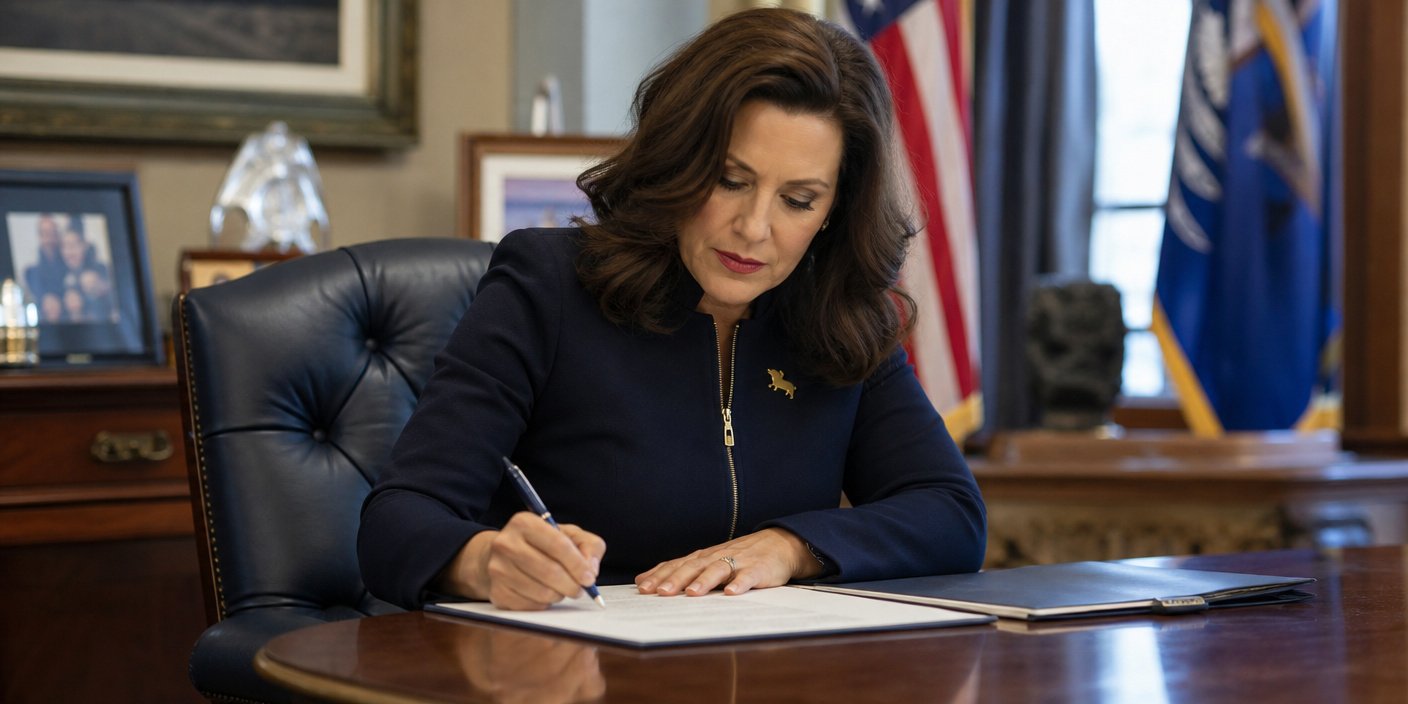
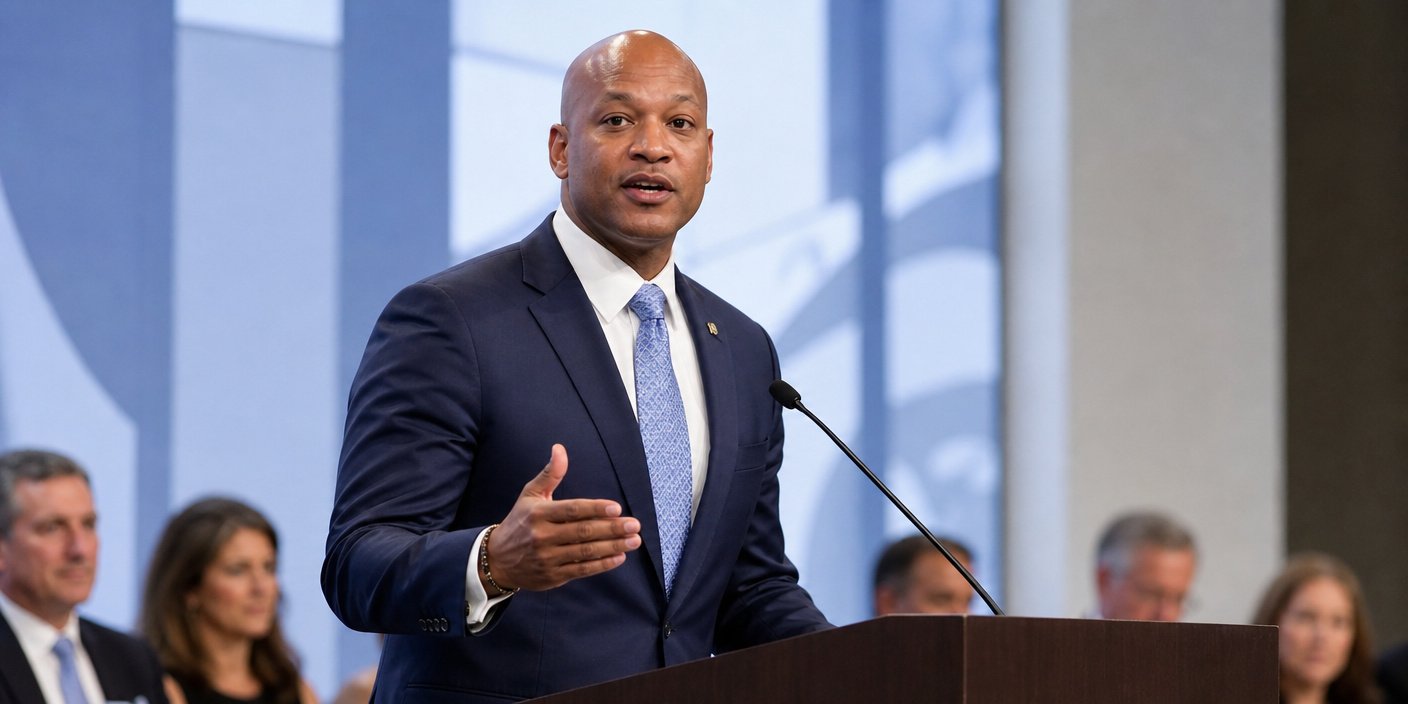
The National Governors Association (NGA) concluded its 2026 Summer Meeting in Oklahoma City this week, signaling a pivotal shift in the role of state executives in addressing the nation’s deepening polarization. In a decisive display of bipartisan unity, the association installed its new executive committee and unveiled two major initiatives: the $10 million ‘Service United’ campaign, championed by Maryland Governor Wes Moore, and the establishment of the Center for Dignity in Politics.
Key Highlights
- Service United Campaign: Maryland Governor Wes Moore spearheads a $10 million initiative designed to leverage public service as a tool to bridge community divides.
- Center for Dignity in Politics: A newly created organization focused on fostering civil discourse and restoring respectful engagement within the political arena.
- Executive Committee Shakeup: The NGA installed a new leadership slate, reinforcing the association’s commitment to continuity and cross-state collaboration.
- Oklahoma City Convening: The 2026 Summer Meeting served as the launchpad for these policies, emphasizing the crucial role governors play in driving national policy from the ground up.
A New Blueprint for Civic Engagement
The 2026 NGA Summer Meeting in Oklahoma City was not merely a procedural handover; it was an attempt to redefine the political landscape at a time when partisanship often dominates the national discourse. By focusing on service and dignity, the NGA is positioning governors as the ultimate stabilizers of the American political system. The meeting served as a tangible acknowledgment that while federal politics often stalls in gridlock, state-level governance remains the most effective laboratory for functional, impactful policy.
The ‘Service United’ Campaign: Investing in Cohesion
At the heart of the conference was the unveiling of the $10 million ‘Service United’ campaign, led by Maryland Governor Wes Moore. This is not merely an awareness initiative; it is a strategic investment in the social capital of the United States. The campaign aims to mobilize citizens across various demographic and geographic lines, utilizing the concept of ‘service’—whether through national service programs, disaster relief, or community development—as a neutral ground where Americans can work toward shared goals.
The logic behind the $10 million allocation is rooted in the belief that shared labor creates shared outcomes. By bringing together individuals who might otherwise never interact, the initiative seeks to erode the ‘othering’ that has defined much of the recent political climate. Governor Moore’s advocacy for this campaign highlights a pragmatic approach: when citizens work side-by-side to solve local problems, ideological barriers tend to soften.
Establishing the Center for Dignity in Politics
Concurrent with the ‘Service United’ rollout was the introduction of the Center for Dignity in Politics. This entity represents a structural commitment to the ‘how’ of governance, rather than just the ‘what.’ In an era of performative politics, the NGA recognizes that the degradation of civil discourse is an existential threat to democratic institutions. The Center is tasked with creating frameworks, training modules, and best practices that state leaders can adopt to ensure that policy debates remain respectful and productive.
This initiative suggests that the NGA is moving beyond traditional lobbying to become a guardian of political norms. By formalizing this center, the association provides governors with the institutional backing needed to push back against toxic polarization in their home states.
Executive Committee Continuity
The installation of the new executive committee serves as the bedrock for these initiatives. In a volatile political environment, the NGA has opted for leadership that prioritizes inter-party cooperation. This committee will oversee the implementation of both the ‘Service United’ campaign and the operations of the Center for Dignity in Politics, ensuring that these projects do not fade as election cycles come and go. The new leadership structure is designed to act as a buffer against national political swings, maintaining a focus on administrative excellence.
Secondary Angles: Contextualizing the Shift
1. The ‘Governor-as-CEO’ Phenomenon
It is worth noting that this move by the NGA reflects a broader historical trend: the rising influence of the American governor. As Congress faces ongoing legislative hurdles, governors are increasingly stepping into the void to address issues that require rapid, scalable solutions. The NGA’s focus on service and dignity is a strategic response to the American public’s growing frustration with federal inaction, positioning state capitals as the true engines of domestic policy.
2. The Economics of Unity
While the $10 million ‘Service United’ campaign focuses on social cohesion, there is an underlying economic imperative. Polarization is expensive; it delays infrastructure projects, complicates public-private partnerships, and discourages investment in states perceived as unstable. By fostering a more ‘dignified’ political environment, the NGA is indirectly working to create a more attractive business climate. The stability promised by these new initiatives is a signal to the private sector that states are focused on long-term growth rather than short-term ideological warfare.
3. Generational Leadership and Policy Innovation
Governor Wes Moore’s central role in these initiatives highlights a generational shift within the NGA. Younger, more action-oriented leaders are looking past the ‘culture war’ dynamics that defined the early 2020s. This approach focuses on ‘results-based governance,’ a shift that seeks to replace ideological rhetoric with tangible metrics, such as the efficacy of the $10 million in ‘Service United’ funding. This represents a pragmatic pivot that could define the next decade of American politics.
FAQ: People Also Ask
Q: What is the primary goal of the ‘Service United’ campaign?
A: The primary goal is to use public service and community-based projects to bridge social and political divides, encouraging Americans to collaborate on shared local and national goals.
Q: Why was the Center for Dignity in Politics created?
A: It was established to foster civil discourse and professionalize political engagement, serving as a institutional guardrail against the increasing toxicity in modern political debate.
Q: Who is leading the ‘Service United’ initiative?
A: Maryland Governor Wes Moore is spearheading this $10 million campaign as part of the broader strategy launched at the NGA Summer Meeting.
Q: What happens after the NGA Summer Meeting concludes?
A: The newly installed executive committee begins the work of implementing the initiatives announced, including rolling out the $10 million for the ‘Service United’ campaign and staffing the Center for Dignity in Politics.