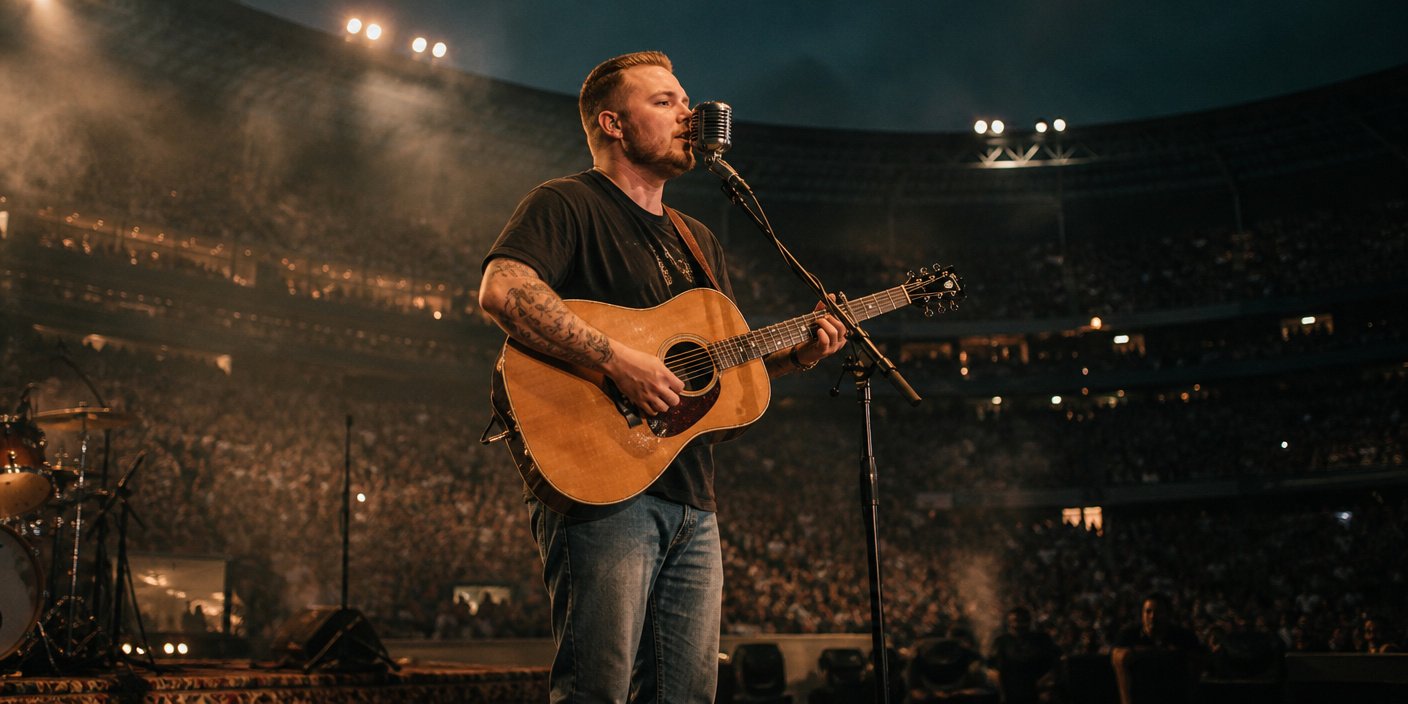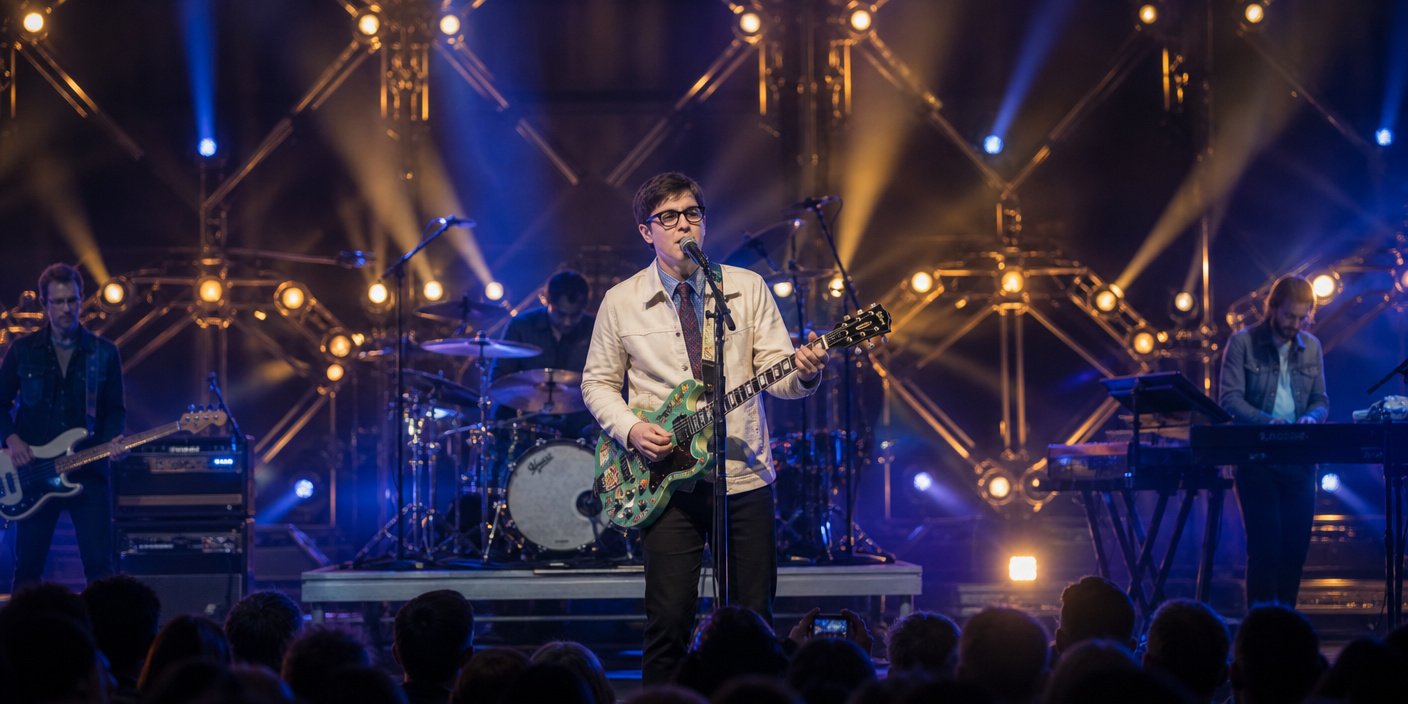
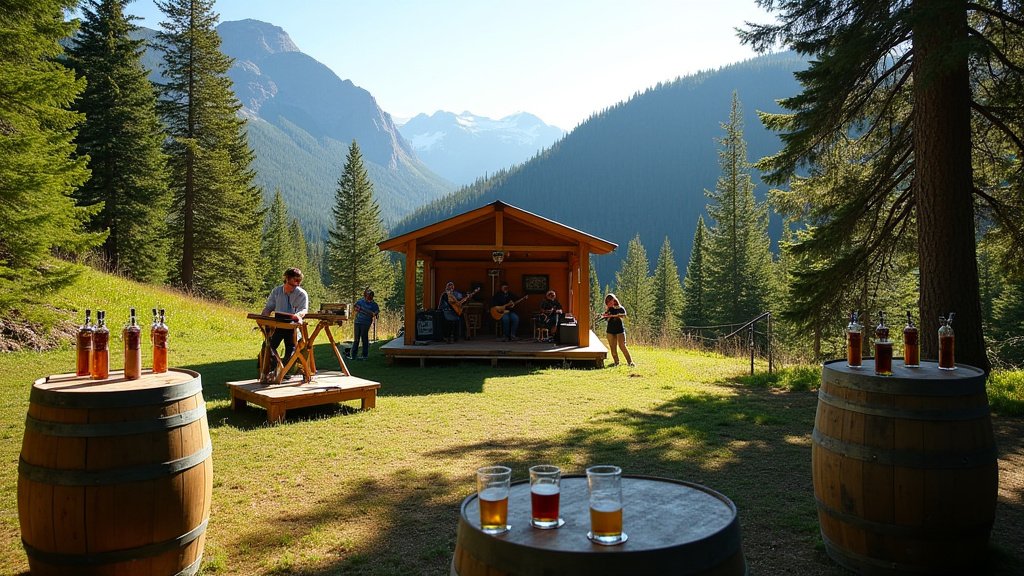
Rossland is poised to host the second iteration of the Into the Trees Music Festival, a boutique event that is quickly cementing its reputation as a premier destination for those seeking an intimate connection between sound, scenery, and local culture. Organizers have officially released the artist lineup for the event, which is strictly limited to 400 guests to preserve the immersive, quiet-community atmosphere that defined its successful inaugural year.
Key Highlights
- Intimate Capacity: The festival maintains a strict 400-guest limit to prioritize attendee experience and environmental sustainability.
- Craft Beverage Expansion: A significant new addition, the festival will now feature a daytime tasting event showcasing 12 distinct regional craft breweries.
- Kootenay-Centric Lineup: The curation heavily prioritizes regional talent, blending indie, folk, and acoustic genres that resonate with the mountain setting.
- Destination Focus: The event aims to boost Rossland’s off-season tourism economy, leveraging the unique Kootenay aesthetic.
The Anatomy of an Intimate Music Experience
In an era where massive, sprawling music festivals often feel transactional and impersonal, Into the Trees in Rossland is making a deliberate counter-cultural move. By capping attendance at 400 guests, the organizers are not just limiting the crowd; they are designing the acoustic and visual experience of the festival from the ground up. This limitation transforms the festival from a chaotic scramble for front-row access into a communal gathering where the boundary between performer and audience is effectively erased.
A Curated Musical Landscape
The released lineup for this second year reflects a maturity in curation. Rather than chasing headline acts with massive riders and extensive technical requirements, the festival has opted for a roster that fits the terrain. The sounds of folk-infused rock, ambient acoustic sets, and indie-electronic fusion have been carefully selected to mirror the surrounding landscape of the Kootenay mountains.
Attendees can expect artists who prioritize storytelling and mood. The scheduling is intentionally spaced to allow for natural transitions, ensuring that the music flows with the time of day—invigorating in the afternoon, mellow and atmospheric as the sun dips behind the Rossland peaks. This strategic programming helps maintain the “Into the Trees” brand promise: a retreat from the digital noise of modern life.
Liquid Assets: The 12-Brewery Tasting Event
Perhaps the most significant logistical evolution this year is the introduction of a dedicated daytime craft beverage showcase. The inclusion of 12 regional breweries is a savvy move that aligns the festival with the burgeoning craft beer culture of British Columbia. This is not merely a concession stand upgrade; it is a curated experience. Each brewery has been selected for its regional prominence and commitment to quality, turning the festival into a showcase of the Kootenays’ agricultural and brewing prowess.
For the festival attendee, this offers a dual-experience: the auditory landscape of live performance and the sensory appreciation of regional craft beverages. It effectively broadens the festival’s appeal beyond music fans, drawing in those who appreciate culinary and artisanal tourism. This integration of local vendors serves as an economic multiplier for the region, keeping festival spending within the local Kootenay economy rather than exporting revenue to national suppliers.
The Secondary Angles: Analyzing the Boutique Model
To understand the long-term viability of Into the Trees, we must look at the broader industry context. The festival industry is currently facing a polarization: mega-festivals are becoming cost-prohibitive and plagued by logistical nightmares, while boutique festivals are seeing a resurgence in popularity.
1. The Sustainability of Small Scale: By keeping the capacity at 400, the festival drastically reduces its environmental footprint and municipal strain. This is a model other mountain towns are watching closely. If Into the Trees proves profitable, it provides a blueprint for sustainable tourism that respects local infrastructure.
2. Economic Resilience: Rossland, historically known for its winter sports and mining heritage, is actively seeking year-round economic drivers. A festival like this acts as a critical anchor for summer shoulder-season tourism, bringing revenue into hotels, restaurants, and local services during a period when the mountain is less trafficked.
3. Community Integration: Unlike traveling festival circuits that land in a city, set up, and vanish, Into the Trees is embedded in the Rossland community. The selection of 12 regional breweries suggests a partnership model that creates stakeholders across the local business community, ensuring that the festival is seen as a benefit rather than a disruption.
As the festival approaches, the focus for the organizers will be on execution. Scaling the operations of a craft tasting event within a high-altitude, low-capacity music festival environment requires precision logistics. If they manage to balance the intimacy of the music with the complexity of the expanded beverage offerings, Into the Trees will likely become a benchmark for what boutique, community-integrated music festivals can achieve in rural British Columbia.
FAQ: People Also Ask
Q: How do I secure tickets for such a small capacity?
A: With a limit of only 400 guests, tickets are expected to move quickly. The organizers typically use a phased release or a mailing list priority system. It is highly recommended to monitor the official Into the Trees website or subscribe to their newsletter immediately.
Q: Is the craft beverage tasting included in the general admission?
A: While specific ticket tiers can vary, the craft beverage tasting event is generally marketed as an immersive feature of the festival. Check the specific ticket packages, as some may offer “tasting included” passes while others might require separate tokens or a VIP upgrade for the full brewery experience.
Q: Does the festival provide camping or on-site lodging?
A: Given the intimate nature of the event and the Rossland location, on-site infrastructure is limited. The festival usually coordinates with local accommodation partners. Attendees are encouraged to book nearby lodging as early as possible, as Rossland’s capacity can fill up during event weekends.
Q: What happens in case of inclement weather?
A: This is a mountain festival. Even in summer, the Kootenays can experience rapid weather shifts. Organizers typically have protocols for light rain, but attendees are advised to dress in layers and prepare for varied mountain conditions.