The United States has formally proposed the establishment of an artificial intelligence emergency hotline with China, a strategic initiative designed to mitigate the inherent crisis risks associated with the rapid proliferation of dual-use AI technologies. This proposal, coming on the heels of preparations for Chinese leader Xi Jinping’s upcoming diplomatic visit to Washington, marks a pivotal shift in the bilateral relationship between the world’s two largest economies. By establishing a direct, secure line of communication, officials hope to create a “digital safety valve” that can prevent misunderstandings regarding autonomous military systems, cyber infrastructure, and algorithmic decision-making, which could otherwise escalate into uncontrollable conflicts.
Key Highlights
- Formal Proposal: The US has officially invited China to co-develop an “AI Crisis Communication Channel” to manage potential escalations.
- Strategic Timing: The initiative is being fast-tracked ahead of President Xi Jinping’s diplomatic visit to Washington to meet President Trump.
- Existential Risk Mitigation: The hotline aims to address specific threats, including autonomous weapon malfunctions and large-scale algorithmic errors.
- Diplomatic Precedent: This move mirrors Cold War-era direct communication channels, updated for the complexities of the 21st-century digital landscape.
The AI Safety Net: Bridging the Digital Divide
The technological arms race between Washington and Beijing has reached a critical inflection point. While trade and semiconductor manufacturing often dominate the headlines, the invisible risk of AI-driven instability is becoming the primary concern for national security advisors. The proposed AI emergency hotline is not merely a diplomatic gesture; it is a pragmatic recognition that artificial intelligence systems, when deployed at the speed of computation, leave little room for human intervention if a catastrophic “false positive” or systemic error occurs.
Defining the Digital Red Line
At the core of the US proposal is the concept of a “de-escalation protocol.” Unlike traditional diplomatic back-channels, this hotline would require technical interoperability. The US Department of State and the National Security Council have reportedly outlined a framework where technical experts from both nations can communicate in real-time during “AI-related incidents.” The primary fear driving this initiative is the potential for an autonomous system—whether in a commercial utility grid, a maritime navigation system, or a defense perimeter—to misinterpret foreign data as an act of aggression, triggering a retaliatory sequence before human leaders are even aware of the incident.
The Xi-Trump Summit: A Diplomatic Crossroads
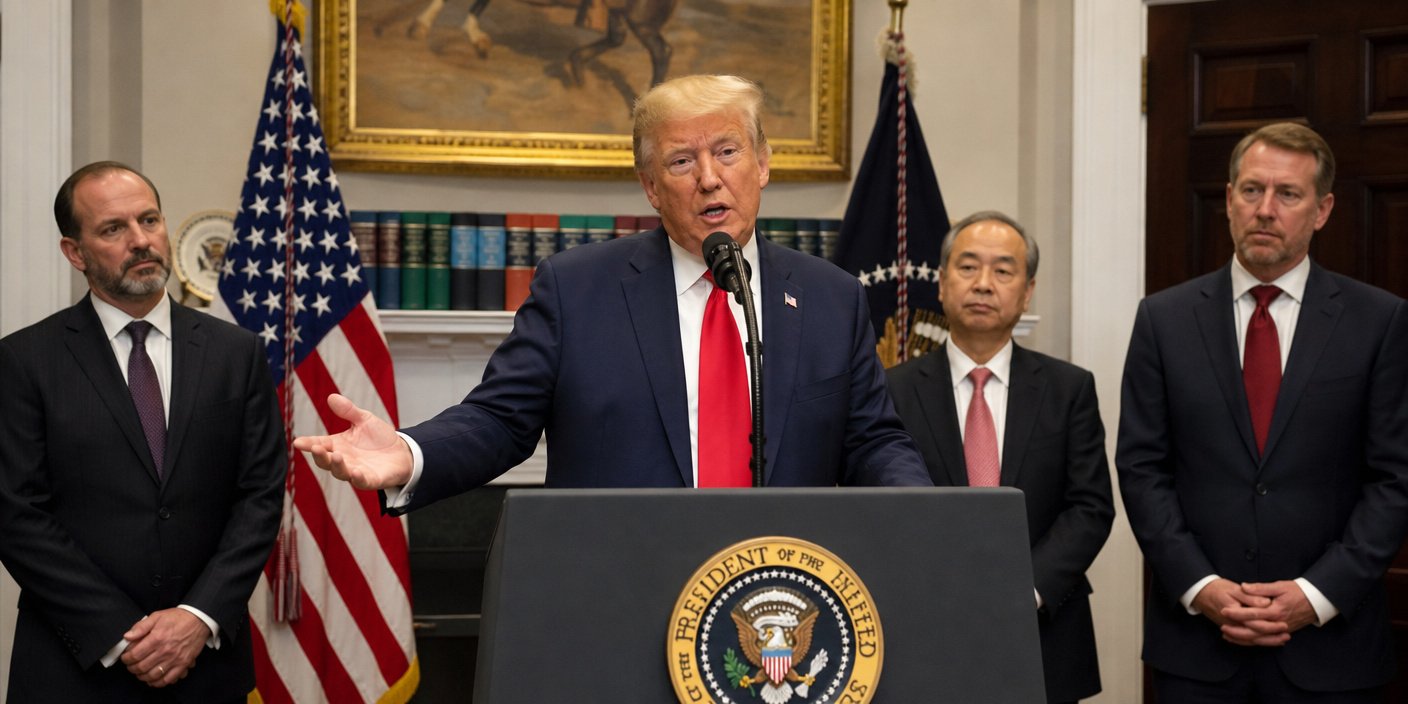
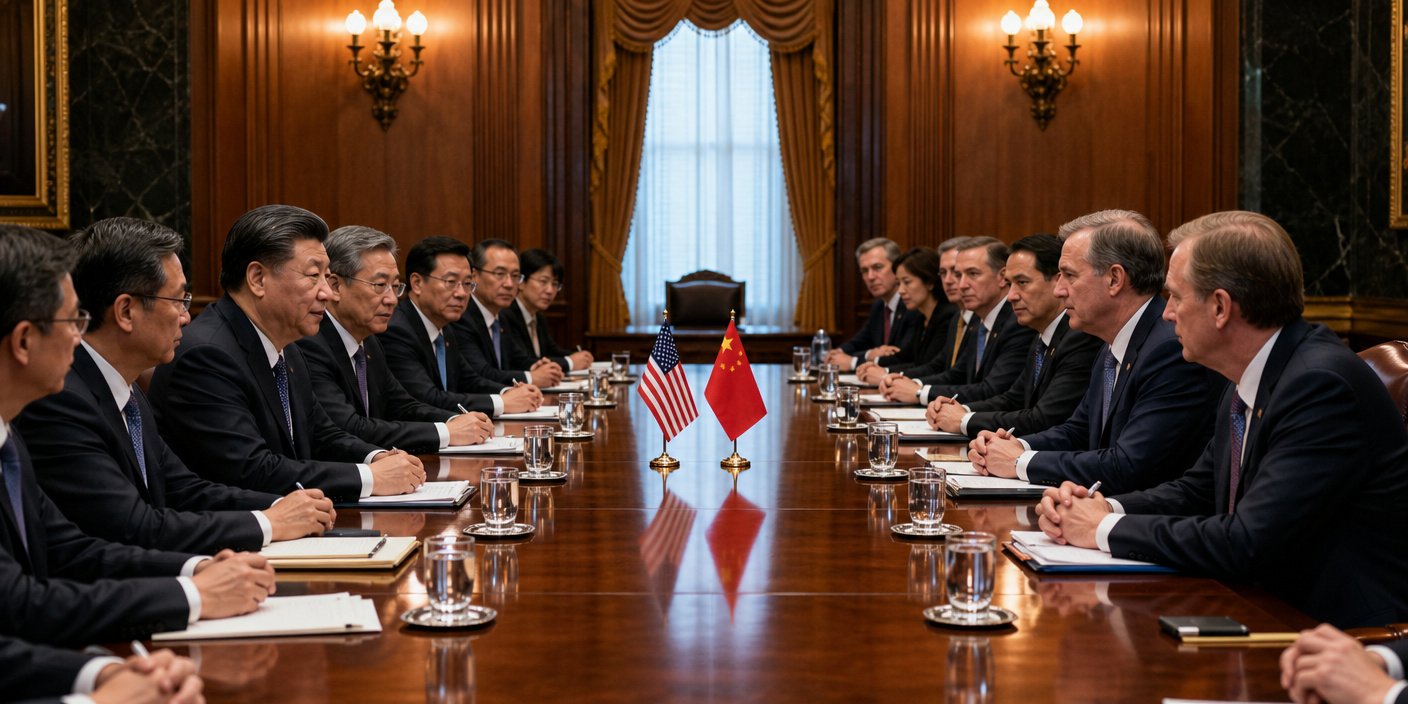
President Xi Jinping’s forthcoming visit to Washington serves as the catalyst for this negotiation. The optics of the summit will be heavily colored by the US-China competitive dynamic, but the “AI Emergency Hotline” represents a rare, tangible area of cooperation. Administration officials are framing this as a “risk reduction” measure, emphasizing that regardless of geopolitical competition, both nations share an interest in ensuring that AI does not inadvertently trigger a hot war. The success of this proposal will likely serve as a barometer for the broader diplomatic tone of the Xi-Trump meetings.
Secondary Angle: The Historical Mirror
The proposed hotline is frequently being compared to the Moscow-Washington “hotline” established after the Cuban Missile Crisis. However, the nature of the threat has evolved. While the Cold War hotline was designed to prevent nuclear miscalculation, an AI hotline must address the nebulous, non-linear threats posed by machine learning. Algorithms do not have political motives, but their outputs—when integrated into critical national infrastructure—can have devastating political consequences. The historical precedent suggests that direct, human-to-human communication is the only reliable way to override the “black box” of automated logic.
Secondary Angle: Economic Interdependence and Tech Governance
Critics of the proposal argue that an AI hotline might be used to monitor proprietary research, but proponents within the White House argue that the economic cost of an AI-driven global financial or infrastructure failure far outweighs the risks of data exposure. By formalizing this communication channel, the US and China are tacitly admitting that their economies are inextricably linked via the digital infrastructure that AI now supports. If one nation’s AI causes a systemic failure in the other, global markets could collapse within minutes.
Secondary Angle: The Future of Global AI Governance
This bilateral move is also seen as a precursor to broader multilateral treaties. By establishing a standard for how two superpowers communicate regarding AI, the US is setting a template for how the rest of the world might manage similar risks. The goal is to move from chaotic, unregulated development toward a structured “safe development” framework where AI development is governed by human-centric diplomatic norms.
FAQ: People Also Ask
Q: What is the primary purpose of the proposed AI emergency hotline?
A: The hotline is intended to provide a dedicated, secure channel for US and Chinese officials to communicate rapidly in the event of an AI-related “false alarm” or system malfunction that could potentially lead to military or infrastructure conflict.
Q: Will this hotline cover commercial AI or just military AI?
A: The proposal emphasizes “critical infrastructure,” which covers both dual-use systems—technologies that have both civilian and military applications—including power grids, telecommunications, and automated transportation networks.
Q: How does this proposal relate to the upcoming Xi-Trump meeting?
A: The timing is deliberate. The US intends to use the summit as a platform to secure an agreement on the hotline, signaling that even amidst trade and geopolitical tensions, the two nations can agree on baseline safety protocols for emerging technologies.
Q: Is this similar to a nuclear “red phone”?
A: Conceptually, yes. Like the Cold War-era hotline, it aims to prevent accidental escalation. However, it is structurally different because it must address automated, algorithmic errors rather than purely human-directed military decisions.