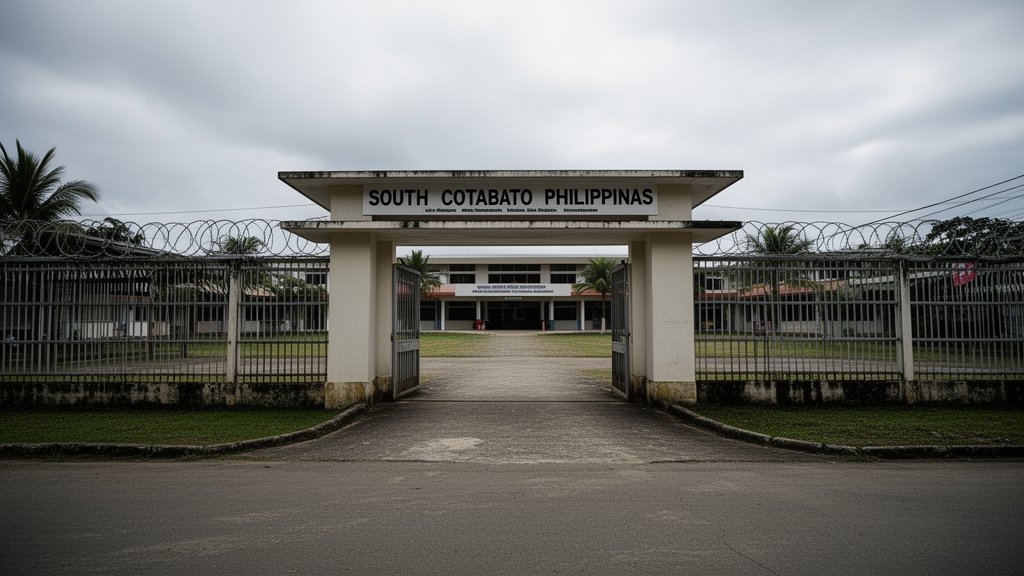
A horrific incident in South Cotabato has claimed the lives of three individuals and left six others injured, plunging a local school community into mourning and igniting a fierce national debate regarding the adequacy of school security protocols. The shooting, which occurred under circumstances currently being investigated by local authorities, has not only resulted in immediate, irreparable loss but has also cast a long shadow over the safety infrastructure of educational institutions across the region.
Key Highlights
- The Toll: Three lives confirmed lost; six individuals hospitalized with varying degrees of injury following the violent incident.
- Security Scrutiny: Immediate national outcry regarding the efficacy of current school safety measures and perimeter control.
- Digital Vigilance: A renewed focus on student digital safety as misinformation and distressing content regarding the event circulate online.
- Official Response: Local law enforcement and the Department of Education are coordinating a comprehensive review of incident response times and prevention strategies.
Anatomy of a Crisis: The South Cotabato Incident
The events that unfolded in South Cotabato serve as a grim reminder of the vulnerabilities inherent in public spaces. While the Philippine National Police (PNP) continues to piece together the sequence of events, the focus has shifted rapidly from initial containment to the broader systemic failures that allowed such a tragedy to occur. The loss of three lives is a statistic that will be felt by the families for generations, but the six injured survivors now face the daunting reality of physical and psychological rehabilitation.
This incident has effectively paralyzed the local community, creating an atmosphere of fear that transcends the school gates. The immediate aftermath involved a chaotic scene where emergency services, school administrators, and concerned parents converged. The synchronization—or lack thereof—between these groups is currently under intense scrutiny by provincial oversight committees. By examining the timeline of the response, investigators aim to determine if better coordination could have mitigated the loss of life.
Institutional Security and the DepEd Mandate
One of the most pressing questions arising from this tragedy involves the Department of Education (DepEd) and its oversight of campus security. Traditionally, Philippine schools operate with a level of openness that emphasizes community access, but this shooting may force a permanent shift toward ‘hardened’ campus environments. Security experts are now advocating for a comprehensive audit of all school infrastructure in the region. This isn’t merely about gates and guards; it is about intelligence, access control, and the ability of a school to lock down effectively when a threat is identified. The debate is no longer about whether to increase security spending, but how to do so without sacrificing the educational environment’s openness.
The Digital Safety Nexus
Beyond the physical security failure, this incident has highlighted a secondary, invisible danger: the digital spread of information. As social media platforms were flooded with fragmented reports and, in some cases, unverified footage of the event, the mental health of the student body and the community at large was further jeopardized. Students today are forced to process real-time trauma via their screens. This underscores the need for schools to implement ‘digital safety’ literacy programs, helping students navigate the chaos of an active crisis online. Preventing the digital contagion of trauma is now being viewed as a critical pillar of modern school safety policy.
Psychological Infrastructure and Long-term Recovery
While physical security is the immediate priority, the long-term prognosis for the school depends heavily on psychological infrastructure. Surviving students and staff are at high risk for Acute Stress Disorder and secondary trauma. The South Cotabato provincial government has begun deploying specialized counseling units, yet the scale of this tragedy suggests that long-term funding is necessary. This recovery phase is not just about the school; it is about the broader societal fabric. If the community does not feel safe returning to the classroom, the socioeconomic impact of this shooting could stifle the region’s development for years to come. Future predictions suggest a pivot toward mandatory mental health screening and the permanent stationing of trauma-informed crisis teams in districts previously considered ‘low-risk’.
FAQ: People Also Ask
1. What is the current status of the investigation into the South Cotabato shooting?
The Philippine National Police (PNP) and local authorities have launched an extensive investigation. They are currently reviewing security footage, conducting forensic analysis at the scene, and interviewing witnesses to determine the motive and the exact timeline of the perpetrator’s entry into the school grounds.
2. Are there new security measures being implemented following this event?
Yes, the Department of Education (DepEd) has signaled that it will conduct a nationwide review of school safety protocols. Expect to see increased, mandatory security audits, tighter visitor management policies, and potentially, the deployment of additional law enforcement support for schools in high-risk zones.
3. How is the government addressing the ‘digital safety’ concerns raised by this shooting?
Authorities are warning against the spread of unverified footage and misinformation on social media, which can exacerbate the trauma of survivors and families. There are ongoing discussions about regulating the dissemination of crisis-related content to protect the mental well-being of the affected students and to prevent the glorification or contagion of violence.
4. What resources are available for survivors and their families?
The South Cotabato provincial government has established crisis intervention hotlines and is dispatching trauma-informed counseling units to the school and surrounding communities. Financial aid packages for the families of the victims are also being coordinated by local social welfare offices.