San Diego has long lived in the shadow of its own postcard image—a monolithic reputation built on sun-drenched beaches, craft beer, and military history. However, the September 2026 issue of San Diego Magazine marks a critical pivot in the regional narrative. Through an extensive series of profiles on local leaders and artists, the publication has effectively dismantled the one-dimensional tourist caricature, replacing it with a nuanced portrait of a city undergoing a profound cultural and intellectual transformation. This shift is not merely aesthetic; it represents a fundamental recalibration of what the Southern California region stands for in the global economy.
Key Highlights
- Redefining the Regional Brand: A departure from traditional tourism marketing, focusing on deep-rooted cultural innovators rather than surface-level attractions.
- The Rise of the Creative Economy: Analysis of how artists and entrepreneurs are actively reshaping San Diego’s identity, moving beyond the ‘beach town’ archetype.
- Profile of Change-Makers: Detailed insights into dozens of local figures who are bridging the gap between historical heritage and futuristic innovation.
- Economic Implications: An examination of why cultural investment is the new engine for regional growth, moving away from pure tourist dependency.
The Anatomy of a New Identity
The “More Than a Postcard” editorial thesis presented by San Diego Magazine arrives at a time when metropolitan identity is under intense scrutiny. As cities compete for global talent, the ability to project a “vibrant and deep” identity is as crucial as infrastructure. For San Diego, this means leveraging its diverse demographic and its proximity to the border to foster a unique intersection of art, technology, and social progress.
Breaking the ‘Surf-and-Sun’ Ceiling
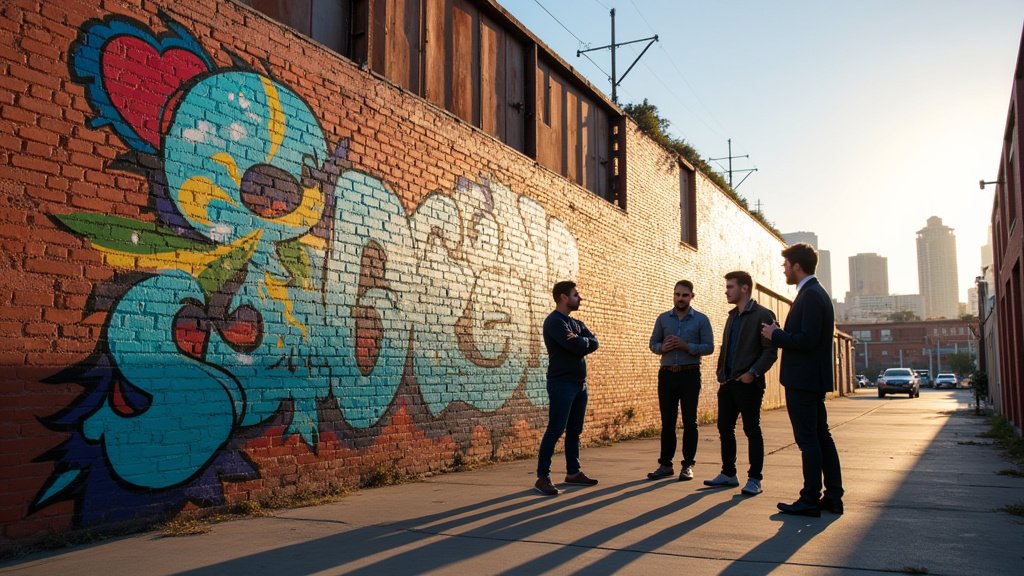
For decades, the city’s primary exports were leisure and climate. The 2026 report highlights that this reliance on tourism created a “creative ceiling.” When a city is marketed solely as a vacation destination, it struggles to attract the type of institutional capital and intellectual density required to sustain long-term economic growth. The profiles in the September issue focus heavily on figures like those found in the Barrio Logan arts district and the leadership at the Mingei International Museum. These individuals are not just creating art; they are designing the urban fabric, curating community dialogue, and driving the discourse on urban sustainability and social equity.
The Creative-Tech Convergence
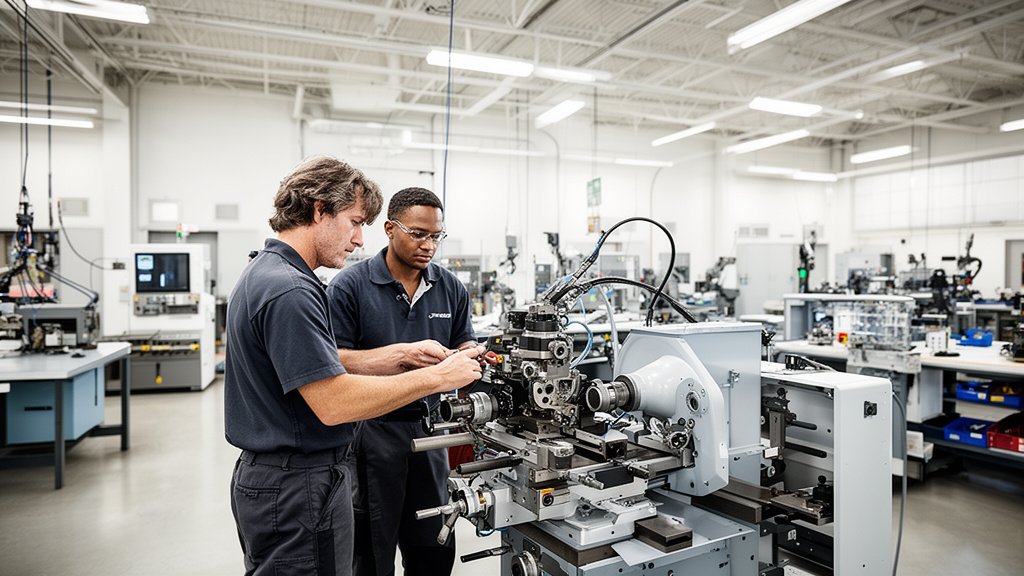
The article posits that San Diego’s future lies in a “Creative-Tech Convergence.” By integrating the city’s existing strength in biotechnology and research with a burgeoning arts sector, regional leaders are creating a “sticky” city—a place where talent doesn’t just visit, but settles and builds. The magazine profiles dozens of local leaders who argue that the next phase of San Diego’s growth will be driven by the “Cultural Intellectual,” a demographic that requires more than great weather to commit to a geographic location.
Economic Impact: The Multiplier Effect
One of the secondary angles explored in the issue is the economic impact of shifting from a tourist-reliant model to an innovation-led cultural model. When cultural infrastructure is prioritized, the economic multiplier is significantly higher than that of short-term tourism. For every dollar invested in local arts initiatives and “cultural innovation districts,” there is a measurable uptick in property value stability, talent retention among the 25-40 age demographic, and an increase in high-end philanthropic investment.
Historical Context: From Outpost to Hub
Historically, San Diego was viewed as a strategic military outpost and a secondary player in the California economy, always trailing Los Angeles and San Francisco. This narrative is being rewritten. The 2026 profiles draw clear lines between the city’s historical military focus and the current pivot toward “human-centric design.” This isn’t a rejection of history, but an evolution—recognizing that the resilience learned from the city’s defense-adjacent past is now being applied to civic innovation.
Future Predictions: The 2030 Vision
The outlook provided by the magazine’s featured subjects suggests that by 2030, San Diego will no longer be competing for beach-goers, but for the global title of “The Sustainable Creative Hub.” This involves radical re-zoning, the integration of public art into transit infrastructure, and the maturation of private-public partnerships that fund local creator cooperatives. The “Postcard” is officially becoming a artifact of the past.
FAQ: People Also Ask
Q: How does the September 2026 issue change San Diego’s branding?
A: It moves the branding focus from passive consumption (vacationing) to active participation (innovation, art, and community development), highlighting a more complex and professional identity for the region.
Q: Who are the cultural innovators profiled in the magazine?
A: The issue profiles dozens of individuals, including artists in Barrio Logan, institutional leaders from the Mingei, and technology entrepreneurs who are actively integrating creative practices into their business models.
Q: Why is ‘More Than a Postcard’ significant for the local economy?
A: It reflects a shift toward a more sustainable, talent-attracting economy. By focusing on cultural identity rather than just weather, the city aims to retain high-value residents and attract long-term intellectual capital.
Q: Is tourism still important for San Diego?
A: Yes, tourism remains a core pillar, but the magazine argues that the city is no longer content to let tourism be its defining characteristic. The goal is to evolve the identity to support a more diverse and resilient economic base.