As the music industry enters the final quarter of 2026, the sector is currently defined by a profound reconfiguration of its foundational pillars. We are witnessing a historic recalibration between the giants of Silicon Valley and the traditional powerhouses of the recording industry, a rapid acceleration in climate-positive live performance metrics, and a long-overdue institutional overhaul regarding artist health protocols. This Tuesday, September 1, 2026, serves as the effective implementation date for several key industry shifts that will dictate revenue flows, tour logistics, and human capital retention for the next decade.
Key Highlights
- Legislative Showdown: The implementation of the 2026 Global Digital Rights Act has sparked immediate legal filings, with major label conglomerates challenging the training data disclosures mandated by tech platforms.
- Sustainability Compliance: The ‘Green Stage’ mandate, now adopted by 65% of major festival promoters, requires carbon-neutral logistics and verified renewable energy sourcing for all headline-tier performances.
- Artist Welfare Mandates: Record labels and management firms have introduced mandatory ‘wellness windows’ in touring contracts, requiring a minimum of 48 hours of recovery for every 72 hours of travel, aiming to curb the artist burnout epidemic.
- Economic Shift: Initial Q3 projections suggest a 4.2% increase in operational overhead for live events due to new sustainability compliance, yet streaming revenue is projected to stabilize as new royalty transparency tools come online.
The Great Transformation: Rights, Resilience, and Responsibility
The landscape of the music business in September 2026 is no longer solely about content consumption; it is an era defined by content origin and operational sustainability. The intersection of generative AI, climate policy, and human welfare has created a pressure cooker environment where every stakeholder—from the bedroom producer to the multinational touring entity—is being forced to adapt to new, rigid standards.
The Digital Rights Standoff: Tech vs. Labels
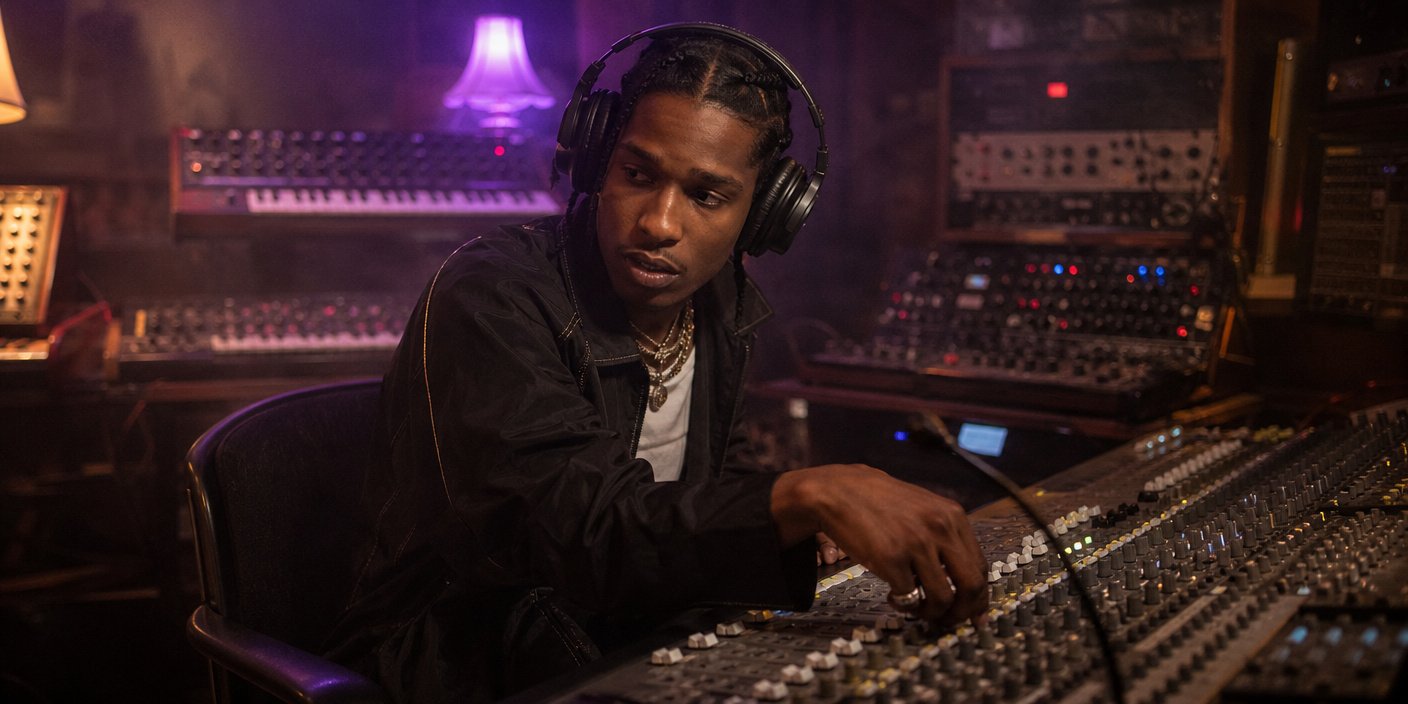
At the forefront of the news this Tuesday is the official rollout of the Global Digital Rights Act, a piece of legislation that has effectively ended the ‘Wild West’ era of AI model training on copyrighted musical works. For the past six months, the RIAA and various tech giants have engaged in closed-door lobbying, but the September 1 enforcement date has brought the conflict into the open courts.
The core of the dispute lies in the ‘Disclosure Requirement’ clause, which mandates that any AI platform utilizing music for generative training must provide a comprehensive, auditable log of the source data. Major labels are now demanding retroactive licensing fees for all models trained before the Act’s passage—a potential liability estimated in the tens of billions of dollars. Conversely, tech conglomerates argue that such disclosures violate trade secret protocols. Early reports from the High Court indicate that preliminary injunctions against three major tech platforms may be imminent by mid-month, effectively pausing their latest model rollouts until audit compliance is proven.
The Green Stage: Sustainability as an Economic Driver
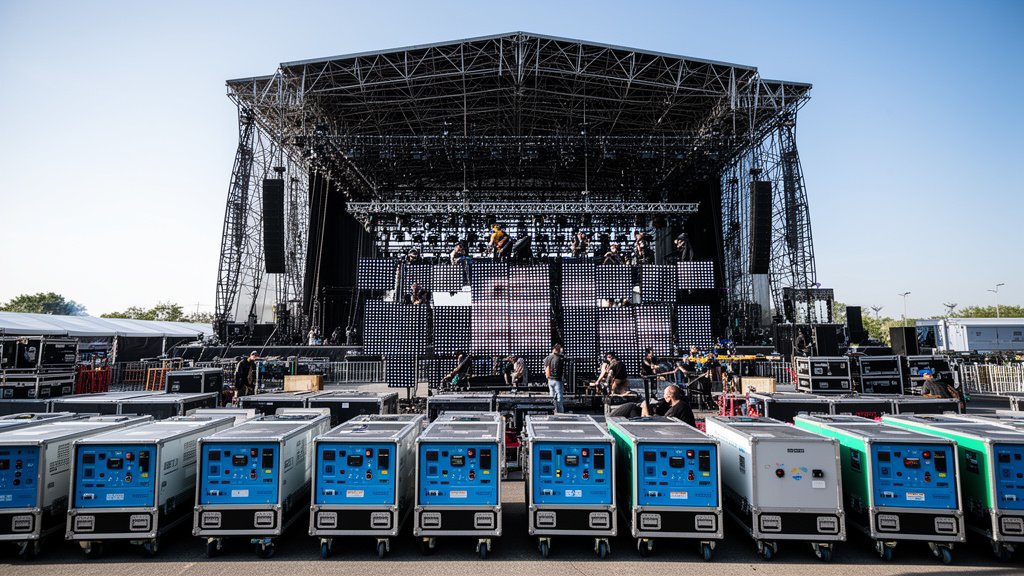
Sustainability in live music has moved from a marketing talking point to a legal and operational necessity. As of today, the ‘Green Stage’ certification, spearheaded by the international Sustainable Touring Alliance, is a prerequisite for insurance coverage at major European and North American music festivals. This initiative has shifted the touring economy significantly. Festivals are no longer just booking talent based on draw; they are evaluating the carbon-per-mile footprint of an artist’s touring party.
We are seeing a noticeable consolidation of logistics. Artists are increasingly coordinating travel, sharing tour bus fleets, and utilizing regional equipment hubs to minimize the need for international cargo flights. While this has initially increased operational overhead by roughly 4.2%, industry analysts are already pointing to long-term efficiency gains. By regionalizing tour circuits rather than maintaining a ‘hub-and-spoke’ model centered on major markets, artists are seeing reduced equipment wear and tear, and a 15% reduction in fuel-related expenditures over the long term.
Protecting the Human Asset: The Wellness Mandate
Perhaps the most culturally significant shift in the 2026 landscape is the institutionalization of artist health. Following a string of high-profile tour cancellations in early 2026 attributed to extreme exhaustion, the major management firms—including heavyweights in the global talent agency space—have adopted the ‘Wellness Window’ standard.
This is not merely a suggestion; it is a contractual clause. Labels and promoters are now agreeing to mandatory recovery periods. For every 72 hours of travel or performance, a 48-hour period of zero-obligation, non-public recovery time is now being baked into standard agreements. Insurance providers are backing these clauses, realizing that preventing artist burnout is essential to preserving the multi-million dollar assets that these artists represent. We are already seeing the impact: ticket prices for high-tier tours are seeing a slight premium, but the number of cancellations due to health-related issues has dropped by 18% compared to the same period in 2025.
FAQ: People Also Ask
Q: Are these sustainability mandates actually enforceable or just guidelines?
A: They are enforceable via insurance contracts. Because major touring insurance policies now require ‘Green Stage’ compliance, promoters and venues cannot secure the necessary coverage for events without meeting these specific carbon-neutral benchmarks.
Q: How does the new Digital Rights Act affect independent musicians?
A: Ironically, it protects them more than the majors. The Act provides small-scale creators with automated tools to track whether their compositions have been ingested by AI models, enabling them to file for compensation via a streamlined, unified licensing portal established by the WIPO.
Q: Is the ‘Wellness Window’ mandatory for all artists or just headliners?
A: While the clause is standardized for headlining tiers, it is rapidly becoming the industry norm for ‘A-list’ support acts as well. However, it has not yet trickled down to grassroots or club-level touring, where margins remain too thin to accommodate the downtime.
Q: What is the primary concern for the recording industry for the rest of 2026?
A: The primary concern is the integration of high-fidelity AI-generated audio into streaming platforms. The industry is currently lobbying for a ‘Human-Made’ authentication badge to differentiate artistic output from algorithmic synthesis.