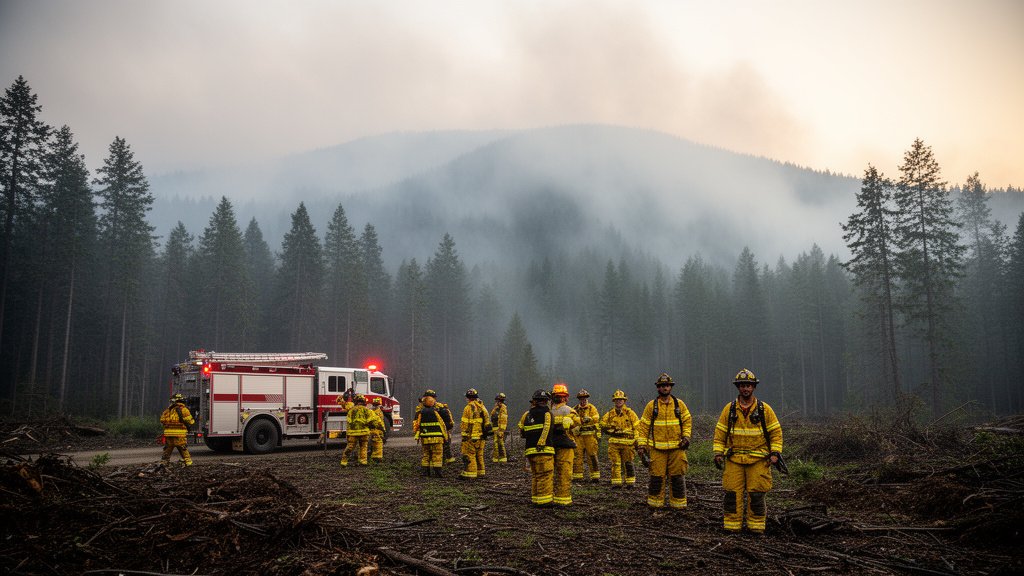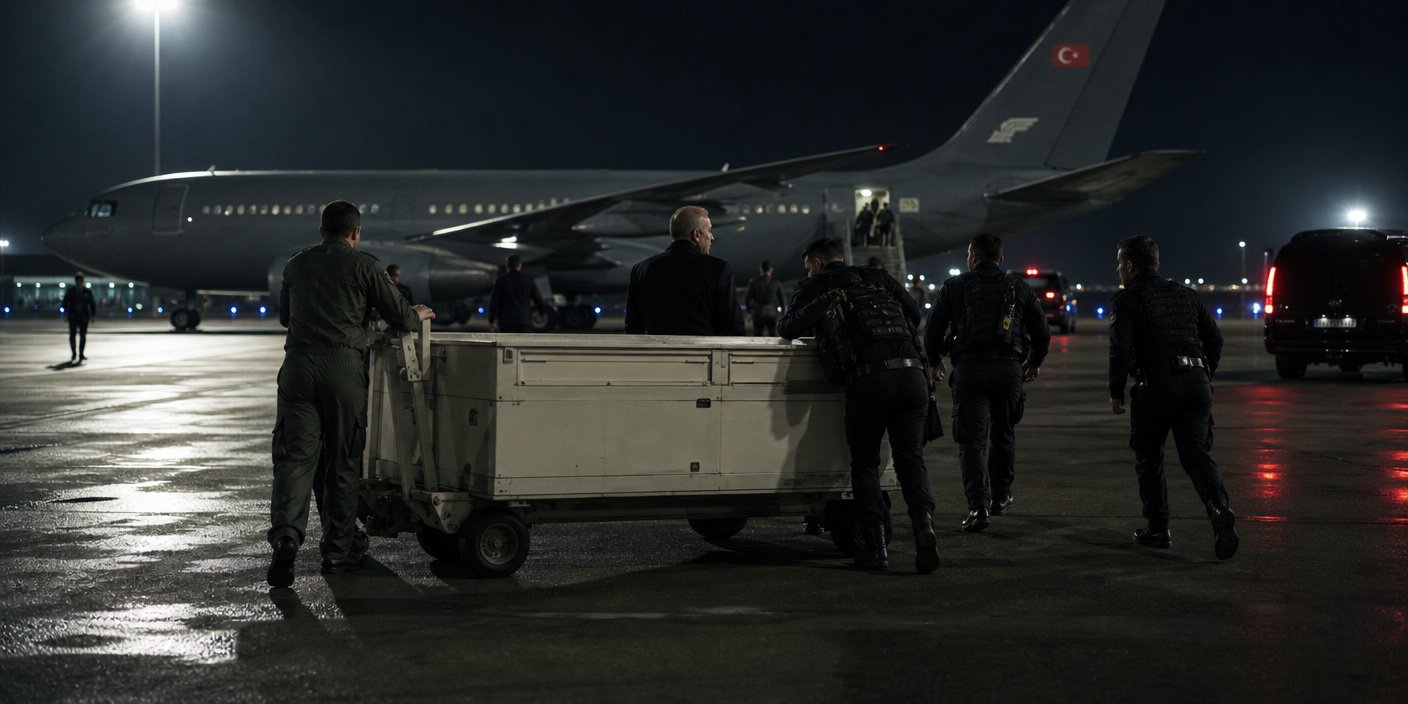
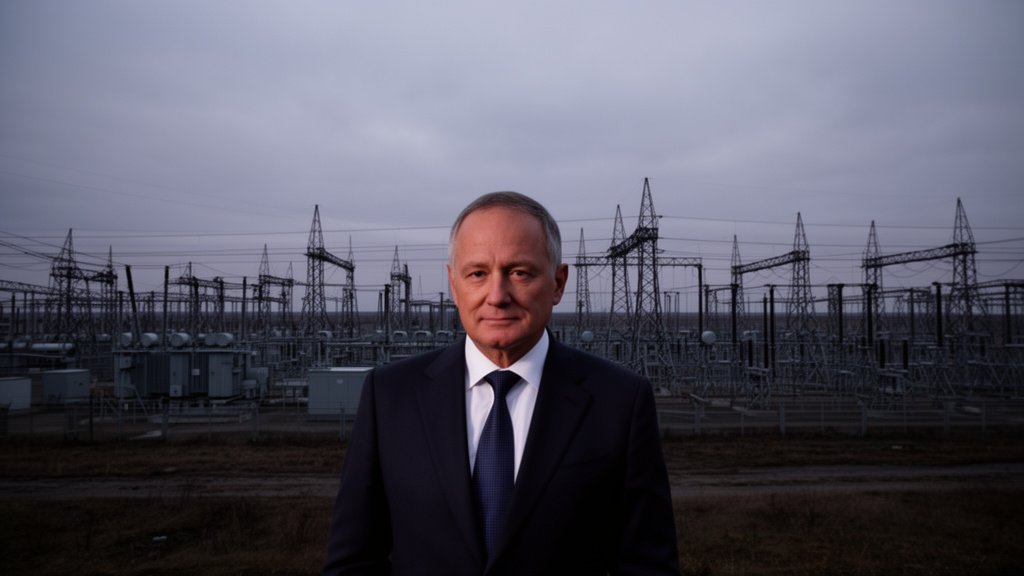
In a display of unprecedented operational scale, Ukraine has executed one of the largest and most complex aerial attacks since the full-scale invasion began, launching a massive swarm of drones deep into Russian territory. The operation, which took place over the weekend, resulted in at least six confirmed fatalities and prompted widespread alarm across several Russian regions, including the capital, Moscow. This Ukraine aerial attack marks a significant evolution in Kyiv’s strategy, moving from targeted strikes on military assets to high-volume, multi-vector saturation campaigns aimed at testing the limits of Russian air defense systems and inflicting tangible costs on the aggressor’s domestic infrastructure.
Key Highlights
- Massive Scale: The operation involved over 150 drones, marking one of the largest coordinated aerial deployments since the conflict’s onset.
- Human Cost: At least six deaths have been confirmed by local Russian authorities, highlighting the increased danger the war now poses to civilians in Russian border and interior regions.
- Strategic Targets: Attacks focused heavily on energy infrastructure and power plants, aimed at disrupting Russian logistics and economic stability.
- Defensive Pressure: The sheer volume of incoming targets forced Russian air defense systems to spread their interceptor resources thin, exposing potential vulnerabilities in domestic protection capabilities.
The Strategic Shift: Redefining Asymmetric Warfare
The most recent wave of drone strikes represents a calculated pivot in Ukrainian military doctrine. Historically, Kyiv utilized long-range strikes as surgical tools to eliminate specific military assets, such as fuel depots or airfield hangars. However, this weekend’s operation, which saw drones penetrating airspace as far as the Moscow region and Tver, indicates a shift toward a volume-based strategy known as ‘saturation.’
Saturating Air Defenses
By deploying hundreds of inexpensive, long-range unmanned aerial vehicles (UAVs) simultaneously, the Ukrainian Armed Forces are forcing the Russian Ministry of Defense to deplete expensive, high-end interceptor missiles on cheaper targets. This asymmetry is the core of Ukraine’s current strategic calculus. Even when the drones are intercepted, the cost ratio favors the attacker. The psychological impact on the Russian public, previously insulated from the daily realities of the frontline, is an equally potent, if secondary, objective of this escalation.
The Vulnerability of Energy Infrastructure
One of the primary objectives of these strikes has been the Russian energy sector. Several reports suggest that power stations and electrical substations were identified as key targets. The rationale here is twofold: disrupting the supply chains that support the Russian military effort in occupied Ukraine and creating economic friction within Russia’s domestic energy markets. When an aerial operation of this magnitude hits critical power infrastructure, the downstream effects on manufacturing and logistics can be significant, potentially creating cascading issues for Russian military production facilities further inland.
Geopolitical Implications and Future Trajectory
The intensification of these strikes comes at a precarious moment for the geopolitical landscape. As Ukraine seeks authorization from its Western allies to utilize long-range precision weaponry against deeper targets within Russia, this domestic drone campaign serves as a demonstration of capability and intent. It proves that Kyiv possesses the intelligence and technical acumen to execute complex, long-range operations without direct Western intervention, thereby attempting to lower the political threshold for Western partners to provide more robust, high-performance strike platforms.
The Human Impact
While military strategists analyze the technical success of the drone swarm, the human cost remains a stark reality of the conflict. With six fatalities reported in the wake of the strikes, the conflict has further crossed a threshold of direct impact on Russian civilians. The Russian state media response has been predictably focused on framing these strikes as ‘terrorist’ attacks on non-military targets, a narrative that the Kremlin uses to bolster domestic support and justify further escalatory actions along the frontline. This dynamic creates a cycle of retaliation, where each Ukrainian success in striking deep into Russia invites a proportional—and often more destructive—response from Russian forces against Ukrainian cities.
Technology at the Forefront
Behind this operation lies a rapidly evolving ecosystem of Ukrainian drone manufacturing. The utilization of ‘Shahed-style’ and domestic long-range UAVs demonstrates how rapidly the conflict has accelerated military technology. These drones are modular, relatively inexpensive to produce, and difficult to detect, making them the ideal weapon for this new phase of the war. As these technologies improve in range, payload, and autonomous targeting, the strategic balance of the conflict may continue to shift, forcing Russian leadership to divert more resources away from the frontline to bolster the defense of its interior.
FAQ: People Also Ask
Q: How did Russia respond to the drone attacks?
A: The Russian Ministry of Defense reported that their air defense systems destroyed the vast majority of the incoming drones, though they acknowledged that falling debris and direct hits caused the reported casualties and damage in several regions.
Q: Are these drone attacks considered a turning point in the war?
A: While they may not end the war on their own, military analysts view these attacks as a significant escalation. They demonstrate that the Russian interior is increasingly vulnerable, forcing the Kremlin to reconsider its resource allocation for domestic air defense.
Q: What kind of drones is Ukraine using for these long-range strikes?
A: Ukraine is utilizing a mix of domestically produced, long-range kamikaze drones and potentially repurposed surveillance UAVs. These are designed to be cost-effective, allowing for large-scale ‘swarms’ that can overwhelm conventional air defense radars.
Q: Will this change Western policy on supplying weapons?
A: It remains to be seen. While Ukraine argues this demonstrates their capability, some Western nations remain cautious about authorizing the use of advanced, long-range Western weaponry for deep strikes inside Russia due to fears of escalation.